
– Author –
Heart-rending stories of love and betrayal that immerse you in another time period.
Written under the pen name Katharine Rogers.
In Codename Charlotta, tenacious journalist Ester finds herself immersed in the murky world of espionage in Stockholm, a city that is home to allies and enemies alike.But can she find the information she seeks and secure the release of her lover from the hands of the Nazis?
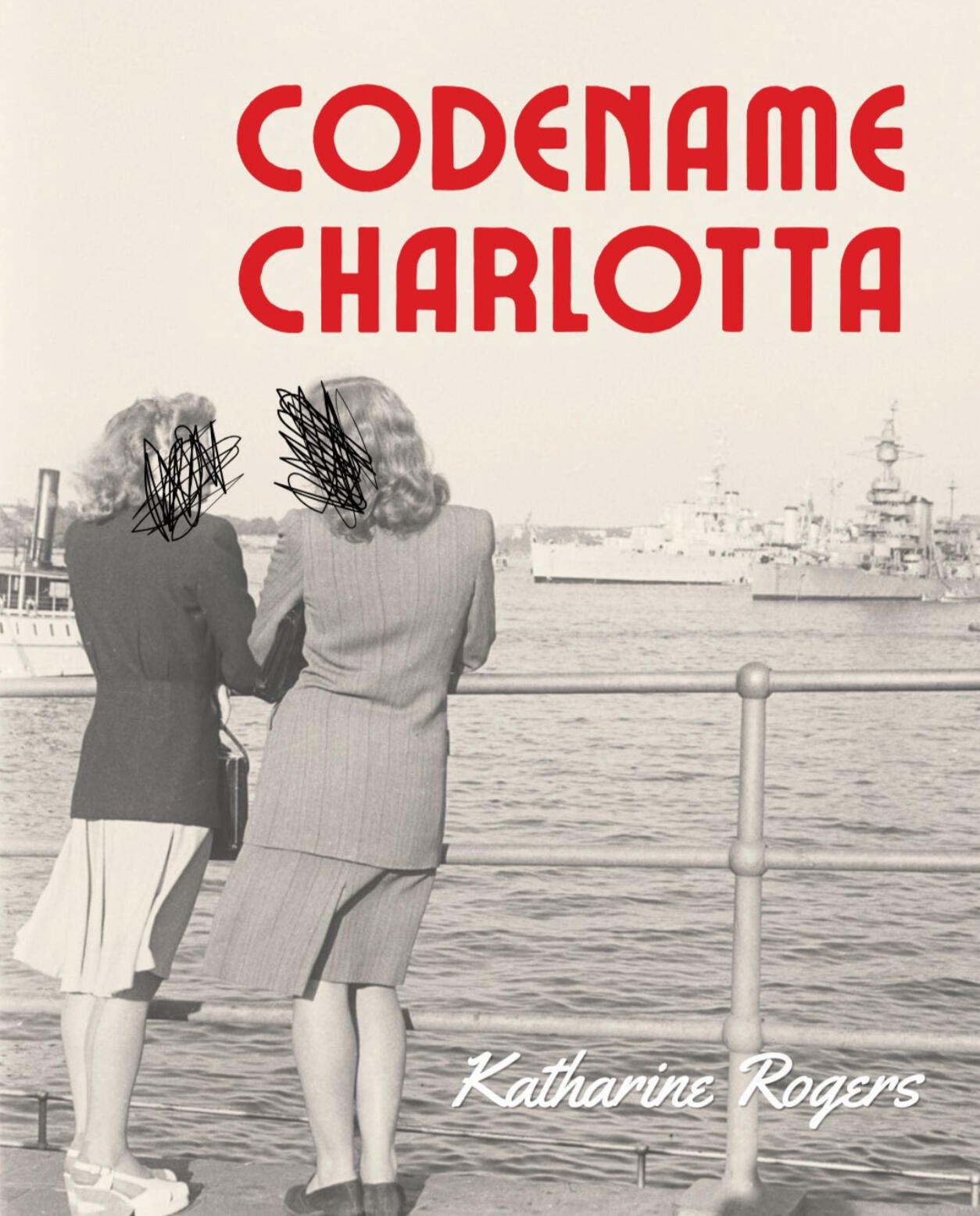
Codename Charlotta came second in the 2026 Yeovil Literary Prize and was longlisted in the 2025/26 Ascent Novel Prize. It was Highly Commended in the I Am In Print competition (Historical Fiction category) and Commended in the Marlowe and Christie Novel Prize.
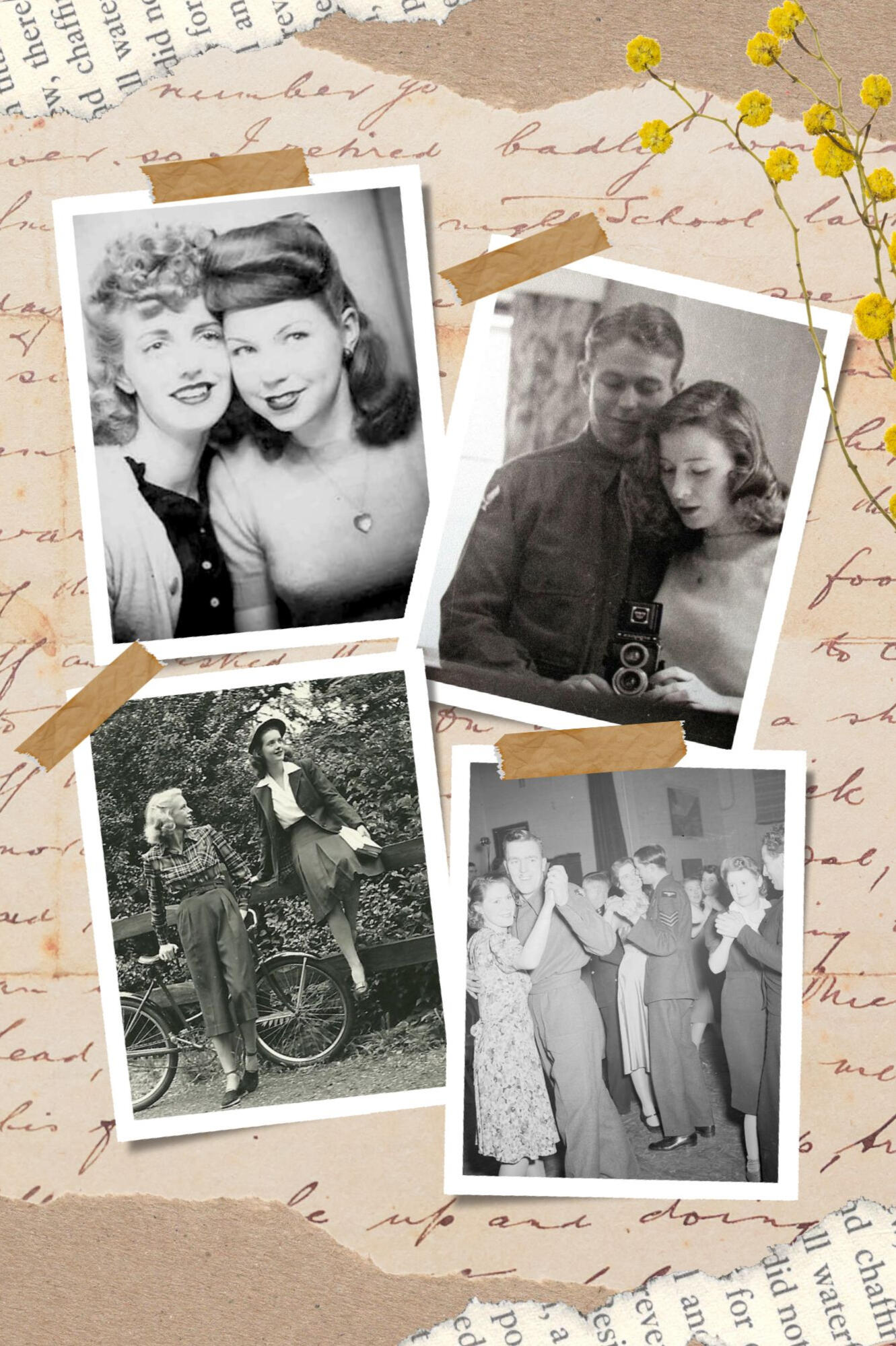
The Third Letter is a story of love, friendship, and betrayal, set in the south east of England during the Second World War.
The Third Letter came third in Hearts Through History’s 2026 Romance Through The Ages Contest in the “Post-Victorian/World Wars/Modern” category.It was also longlisted in the 2025 Page Turner Awards’ Writing Award and in the Retreat West First Chapter competition.
Want to know more?
I talk about my journey of writing, revising, and querying this novel in my newsletter, which you can sign up for here.And as a thank you for subscribing, I’ll send you the playlists I’ve curated especially for the novels.

– Work –
Codename Charlotta
September 2026: Second place in the 2026 Yeovil Literary Prize (Novel)Comments from the judge: “CODENAME CHARLOTTA: this Swedish historical thriller is sure-footed, dense with detail and written with the restraint that delivers proper suspense. Highly enjoyable characterisation, a central love story of satisfying complexity and a setting that informs the reader, revealing little known historical detail. Sweden and Nazi-occupied Denmark in the Second World War offer much to the curious reader, and much is delivered even in this short extract. Characters weave plausible stories about themselves only to slip up, others don’t appear where they should or do appear where they shouldn’t. Classic spy/thriller territory and handled with skill and consistent good writing. The plot is supported by a sound structure and well-constructed sense of place and time. A good book, I hope to see it published.”
August 2026: Top 100 in the BPA First Novel Award 2026June 2026: Highly Commended in the I Am In Print writing competition - Historical FictionMay 2026: Commended in the Marlowe and Christie Novel PrizeJanuary 2026: A longlisting for Codename Charlotta in the inaugural Ascent Novel Prize
The Third Letter
August 2024: Finalist in the 2024 Page Turners’ Awards Writing Mentorship AwardAugust 2023: Long-listed for the 2023 Page Turners’ Awards Writing Mentorship Award (under its previous working title: The Policy of Truth)
The Washington Post – historical fiction round-ups
I had the privilege of writing historical fiction round-ups for The Washington Post for one year, until the sad demise of the paper's Book World section.
5 new historical novels
that whisk you away to another century
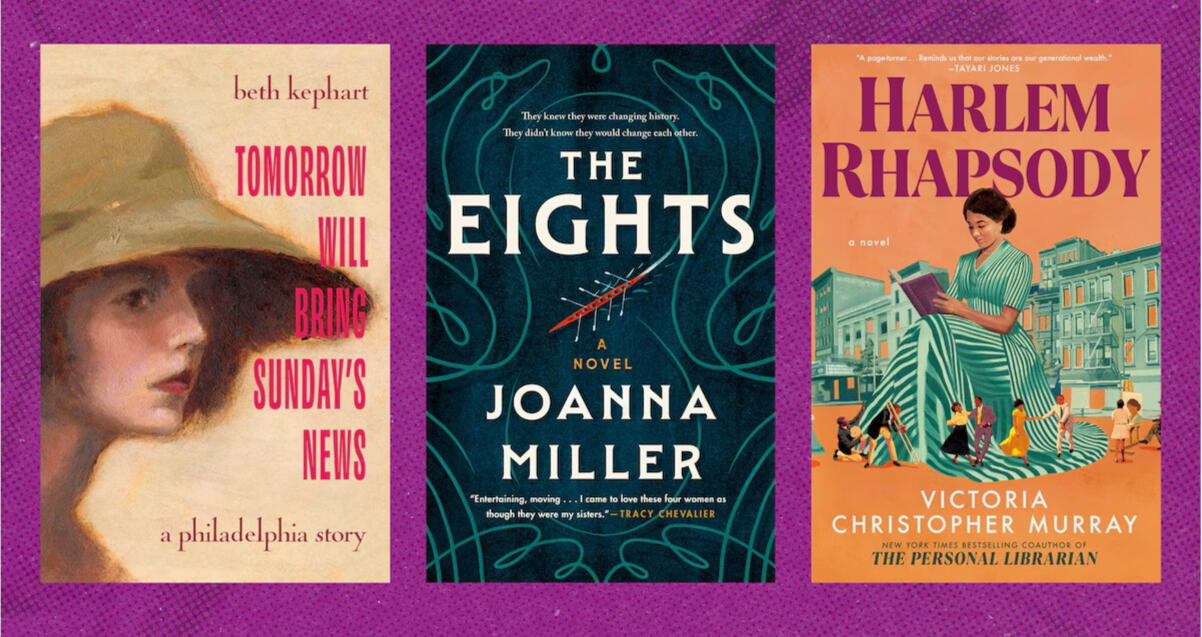
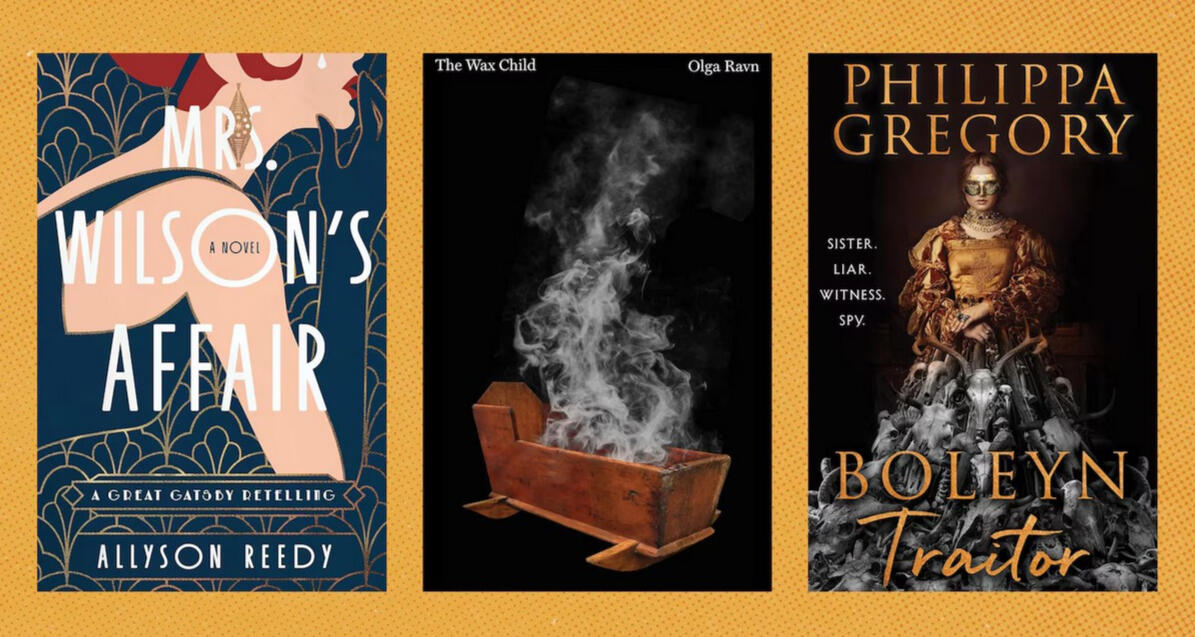
The 20th century looms large in this selection of five new historical novels. Momentous events — the sinking of the Titanic, life after World War I, the Hollywood blacklists — shape the lives of protagonists in stories that are both relatable and enlightening.
5 works of historical fiction to read this summer
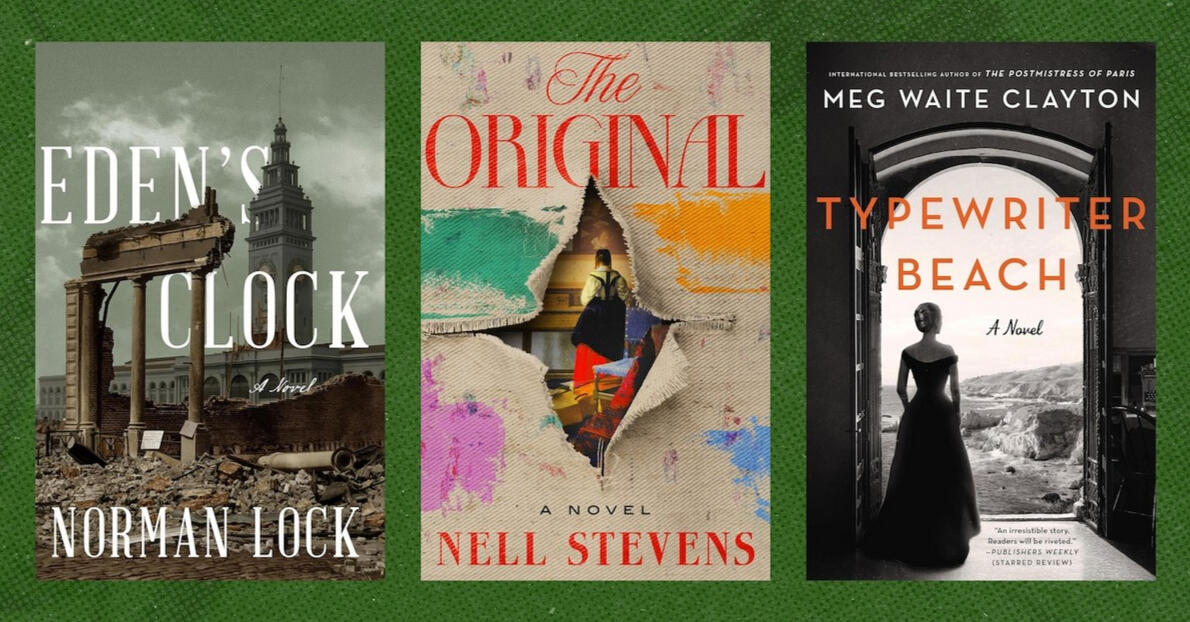
Dorothy’s Auntie Em, a traumatized Civil War veteran and a shy artist with a secret are some of the wonderful characters in this summer’s noteworthy historical novels. These creative tales reimagine historical and literary moments, adding new dimensions, pondering, “What if?”
5 historical novels that deliver a perfect escape from the present
With this selection of historical novels, you can journey to various times and places: the royal courts of Henry VIII in England and Augustus the Strong in Central Europe, 17th-century Denmark, early-20th-century New York, the Roaring Twenties. Each work puts an imaginative spin on the past.
5 new works of historical fiction feature painful secrets
These novels take readers to frigid Finnish forests, the sweltering Caribbean, Jim Crow America, and war-torn Paris.

– About –
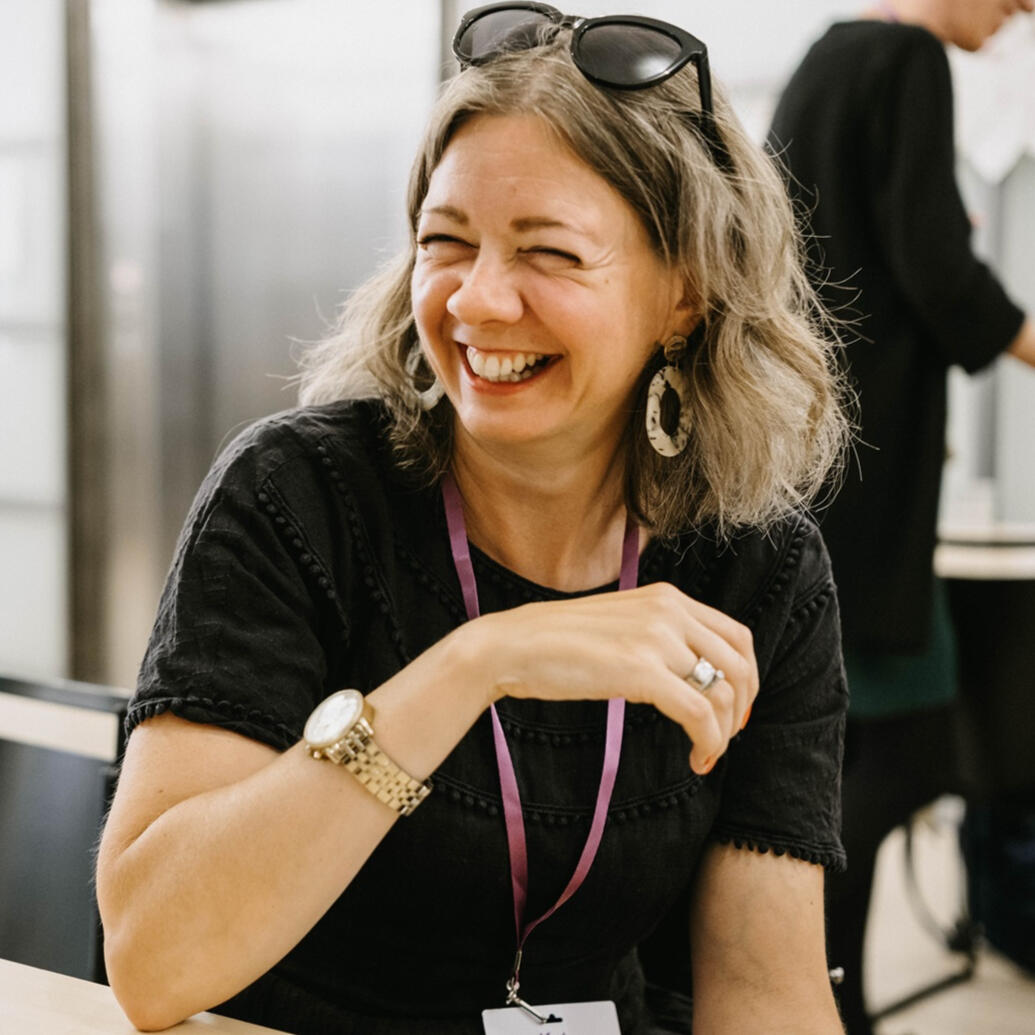
I'm Kat, an author who is lucky to live in the beautiful city of Stockholm, Sweden’s capital – a place that inspires me daily – although a little piece of my heart will always remain in London.Historical fiction has always been my go-to genre – what’s not to love about the intersection of history and storytelling?
Bringing alive the voices of the past, taking time to listen to what they have to say, learning what we can from them – that is why I will always return to historical fiction. And this is also my aim with this novel.I am fascinated by what the past can tell us and have been ever since I was small. All of my favoured career choices while in the last years of school are a reflection of that: archaeology (until I learned how much science you needed to study that), teaching, and writing.And so, after a twenty-year-long career as an editor, I made the decision to step into the world of writing. Five years ago, I started working on my first novel, throwing myself into it wholeheartedly and somewhat foolishly. I knew nothing of meticulous plotting, story structure, or how to show character development. I just knew I had a story I wanted to tell.By learning as I went, I have developed and expanded my writing skills, but always sticking to one truth: to write what was in my heart.
FAQs
What has been your inspiration for the novel?My grandparents are a large part of the inspiration behind The Third Letter. My maternal grandparents talked to me about the Second World War from an early age, until I became mildly obsessed with the time period. And I have since discovered that my paternal grandparents also had incredible stories from the war.As a child and teenager, I read countless books set during WW2 as well as history books about the war.After deciding to write The Third Letter, I used Pinterest for visual inspiration, even including a key scene in the book after seeing one particular photograph.Living in Stockholm, I could not help but be inspired to write Codename Charlotta once I learned how neutral Sweden was a diplomatic base for both the Allied and Axis powers, with them even working from neighbouring addresses in some cases. It’s no surprise that the city was known as the Casablanca of the North during the Second World War.Why Katharine Rogers?You might be wondering why I have chosen this name for myself. The main reason is that my real name is ridiculously long and particularly challenging to spell (19 letters – I mean, seriously!). I couldn’t inflict that on others.When I sat down to choose a name, I decided that, as one of my grandmother had planted the seed from which The Third Letter grew, I’d honour my other grandmother by borrowing her maiden name.And so Katharine Rogers became my pen name.When will your books be available?That’s the million dollar question, isn’t it? I’ve finalised Codename Charlotta and I am now working on getting representation for that.This is where the fun really begins!

– Contact –
If you’d like to get in touch with me, please do drop me a line via this form.

– Blog –
One aspect of writing a book set in Stockholm that I’ve particularly enjoyed is researching all the places that existed in the 1940s that you can still visit today.
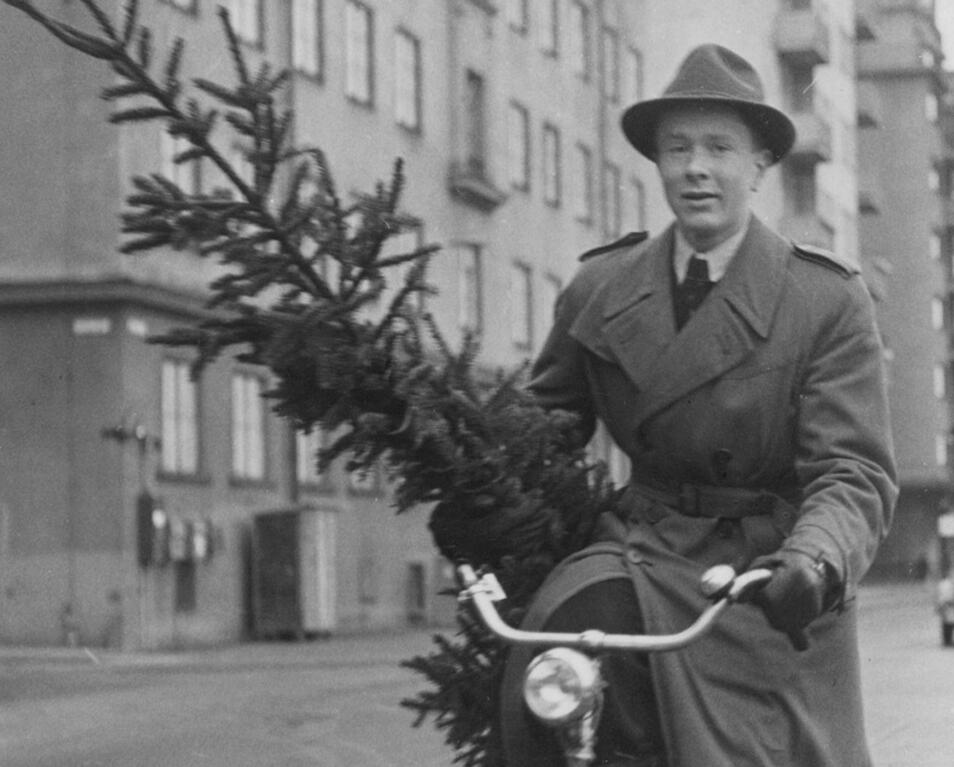
If you have children in Sweden, around this time of the year you won’t be able to escape the sounds of perennial Christmas classic Tomtarnas julnatt, which is also known as Tipp Tapp.Why, you might ask? Well, this is every third line of the verse:Tipp tapp, tipp tapp, tippe, tippe tipp tapp, tipp, tipp, tapp.
Hands up who used to have an Ericsson brick? I remember having a trusty Ericsson mobile phone back in the late 1990s (before switching to a Nokia in the early 2000s). But would you believe me if I told you that Ericsson was founded in 1876 (the year Bell patented his telephone) and that it started making telephones only two years later, as Bell did not hold the patent for Sweden?
On the way back from the UK this summer, we took a slight detour via Copenhagen (thanks to the airlines charging ridiculous prices between Britain and Sweden), and my husband kindly agreed to come with me to the Museum of Danish Resistance. Because he’s good enough to indulge my strange requests in the service of research. (Don’t worry, we didn’t go to Copenhagen just to visit a museum; I’m not that dictatorial.)
Did you know that even if you only borrow a book from a library, rather than buying a copy of it, the author still receives royalties?An author will earn a little money each time their book is borrowed from a public library in the UK, thanks to the Public Lending Right. This was established in 1979, following lobbying by the Society of Authors and others.
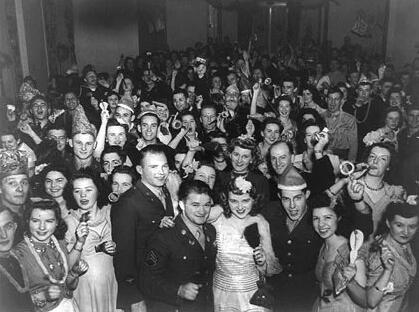
If music be the food of love...
Well, in my case, music is the food of creation. Ever since I started working on The Third Letter back in autumn 2020, I’ve listened to certain songs, particular musical genres, and certain artists to inspire me.
A tale about posting on Instagram and why the one post you think will appeal can be the one that comes back to bite you on the arse.
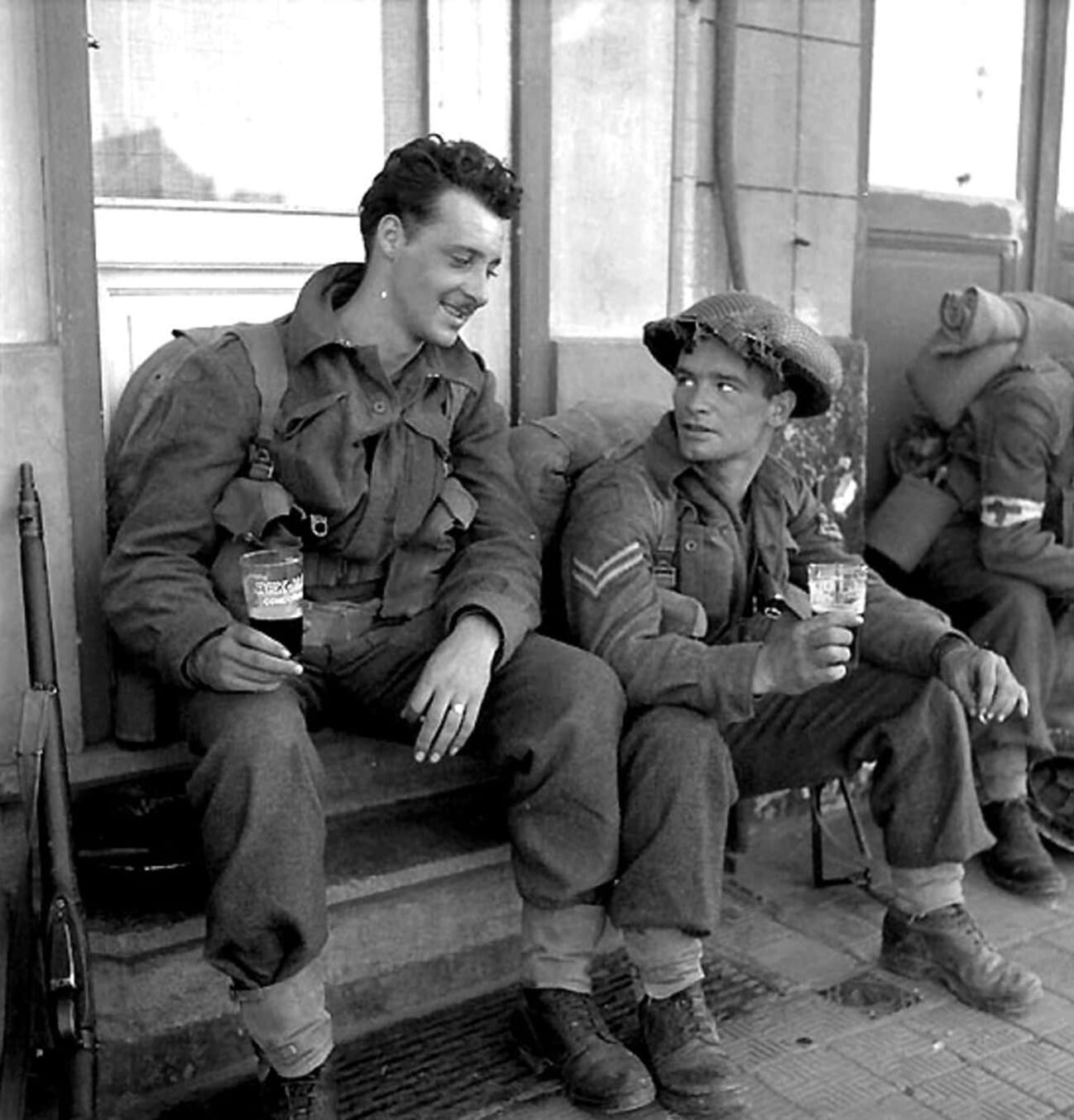
As The Third Letter covers late 1943 to 1948, I knew that some of many characters would be heading to battle for a large proportion of the novel, which meant I needed to know where they were at each point in the story, and I decided the easiest way to do that would be to research an actual Canadian regiment that was stationed in the right part of Sussex prior to D-Day.
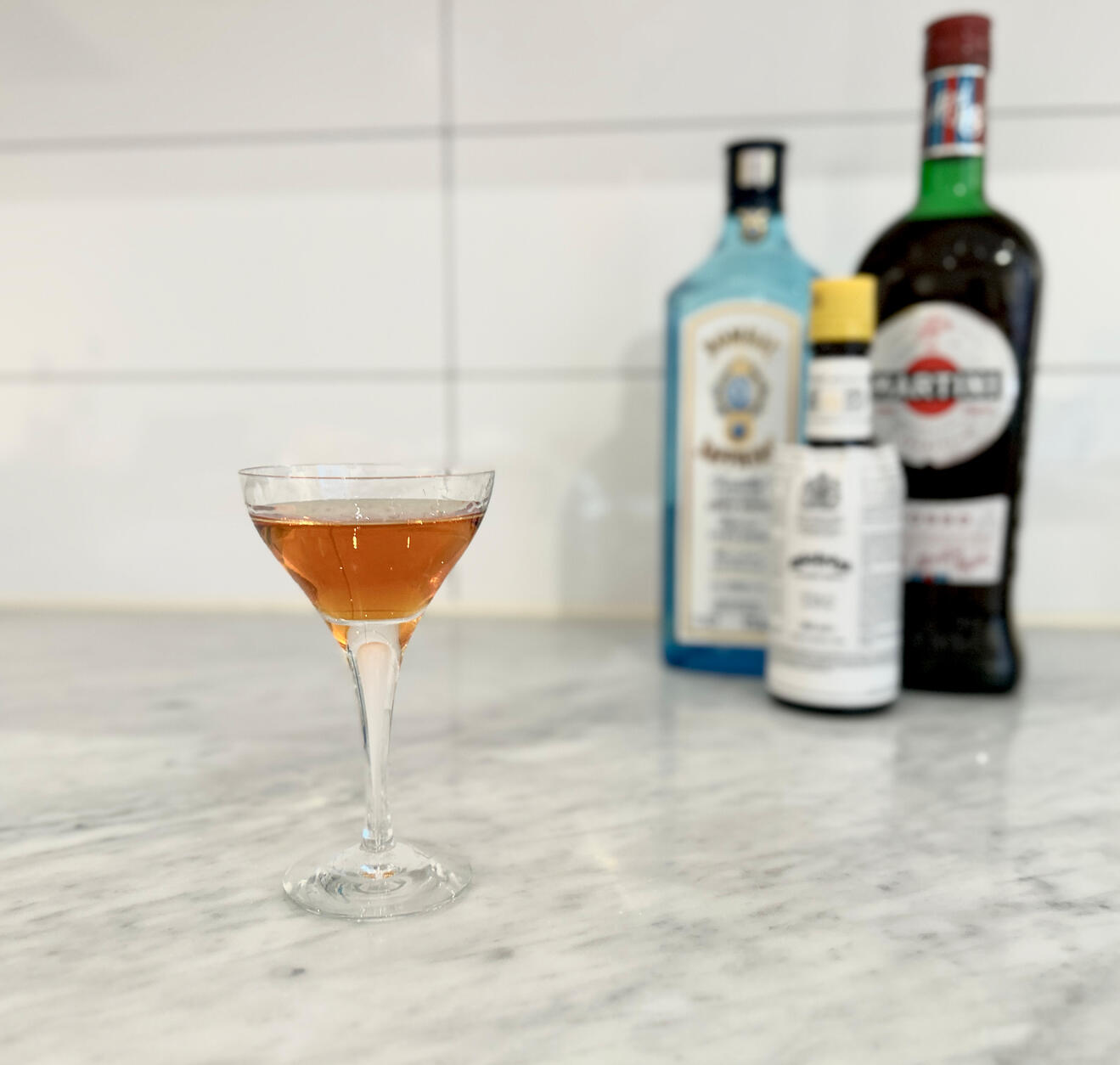
Early on in The Third Letter, Clara and her best friend Reenie enjoy Gin & Its at a dance.“She took another gulp of the Gin & It, the vermouth’s sweetness catching in her throat. She glanced at Bobbie, but he was focused on Reenie once more.The silence dragged on. Clara raised her glass to her lips once more. Another sip. She needed to slow down; the drink was slipping down too easily. She’d be half cut in next to no time if she carried on like this.”
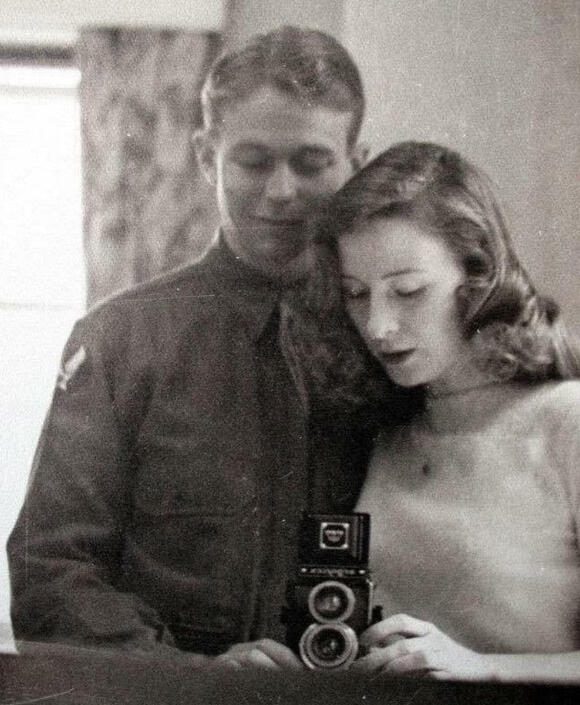
I am very lucky to be writing in a time period when photography was popular with the everyday person.Go back only a few decades from the 1940s and photographs were a luxury that you reserved for important occasions like engagements or weddings. But thanks to the cheaper Box Brownie cameras (first launched in 1900), people were able to document all aspects of their lives.

– Blog –
Stockholm spots
One aspect of writing a book set in Stockholm that I’ve particularly enjoyed is researching all the places that existed in the 1940s that you can still visit today.When writing certain scenes in Codename Charlotta, I’ve tried to use as many places like that as possible.Some of these are obvious settings, like the Central Station, the exterior of which looks largely the same as did eighty years ago, and Humlegården park in the city centre.
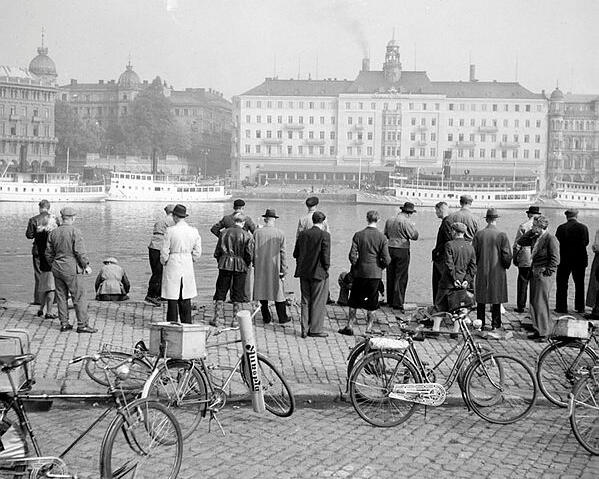
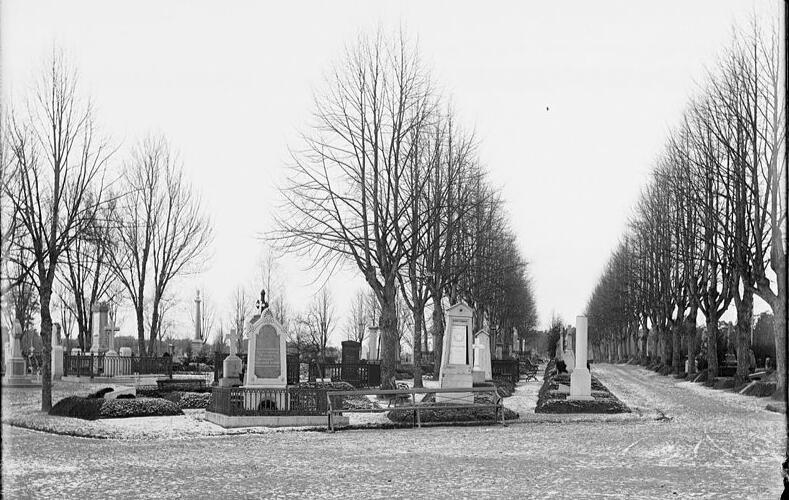
More fun was choosing more obscure places for Ester, my main character, to go on her adventures. A meeting at Norra Begravningsplatsen, a cemetery north of the city (although that scene is now sadly cut), or in the Stora Skuggan woods.
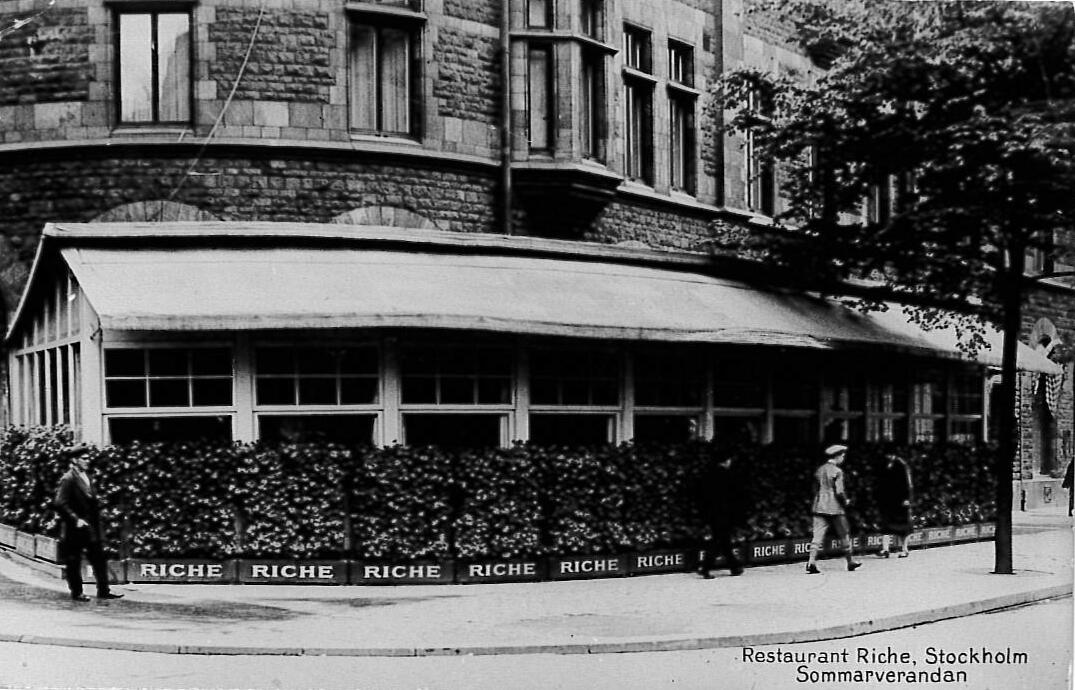
But the most fun of all came when I chose the restaurants that Ester visits around the city centre.The first of these is Riche, which remains a popular bar and restaurant now. It first opened in 1893, inspired by Café Riche, a bistro in the second arrondissement of Paris.
Next, Ester spends an evening with her girlfriends at Brända Tomten, on Stureplan, a dark and somewhat gloomy restaurant with a certain peculiar style of interior decoration.
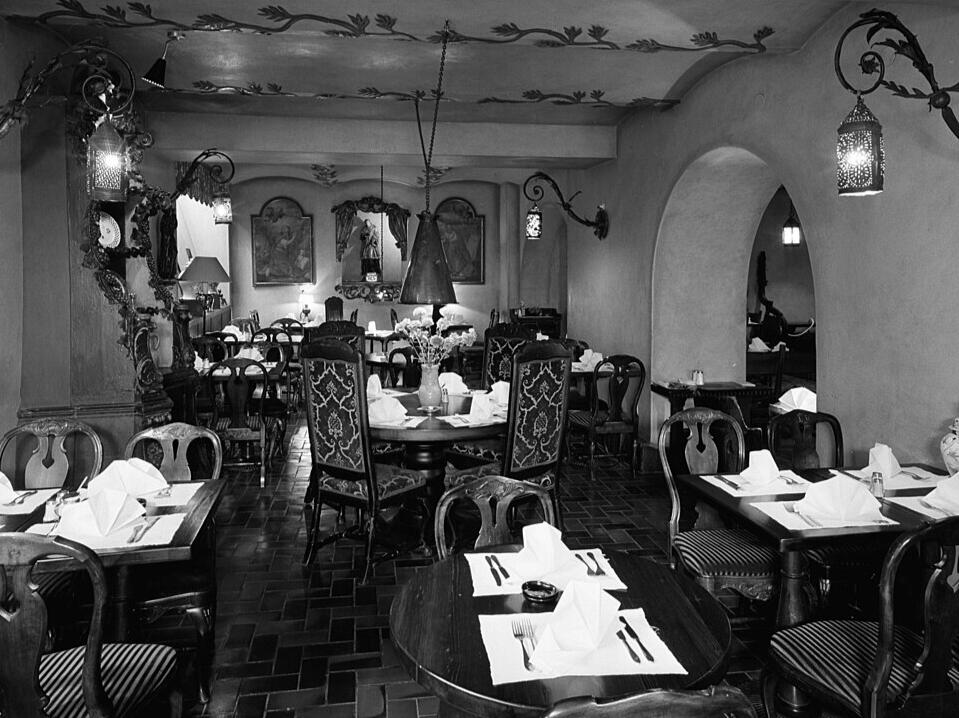
Although Brända Tomten closed in 1987, it was replaced in 1991 by East, an Asian fusion restaurant that only closed its doors late last year.After that, Ester is taken to dinner by a mysterious diplomat at the renowned Konstnärsbaren, more colloquially known as KB. Opened late in 1931, the restaurant was popular with the cultural elite of the city.KB is still open today, serving traditional Swedish dishes.After dinner, she suggests continuing the evening at Nalen, one of the leading dance venues in the city at the time, with swing and jazz bands playing there in the evenings. It could be quite a rowdy spot and was often packed with Nalensnajdare, the fashion-conscious young people who hung out there.Nalen today is a restaurant and concert venue, with a wide range of visiting performers.One fascinating fact about going out for a drink in Stockholm in the 1940s was that you needed to order food along with your drink. After a time, these standard meals, called restriktionsrätt, became recycled dishes that were served over and over again during the course of each night.More on this later!

– Blog –
A Swedish Christmas
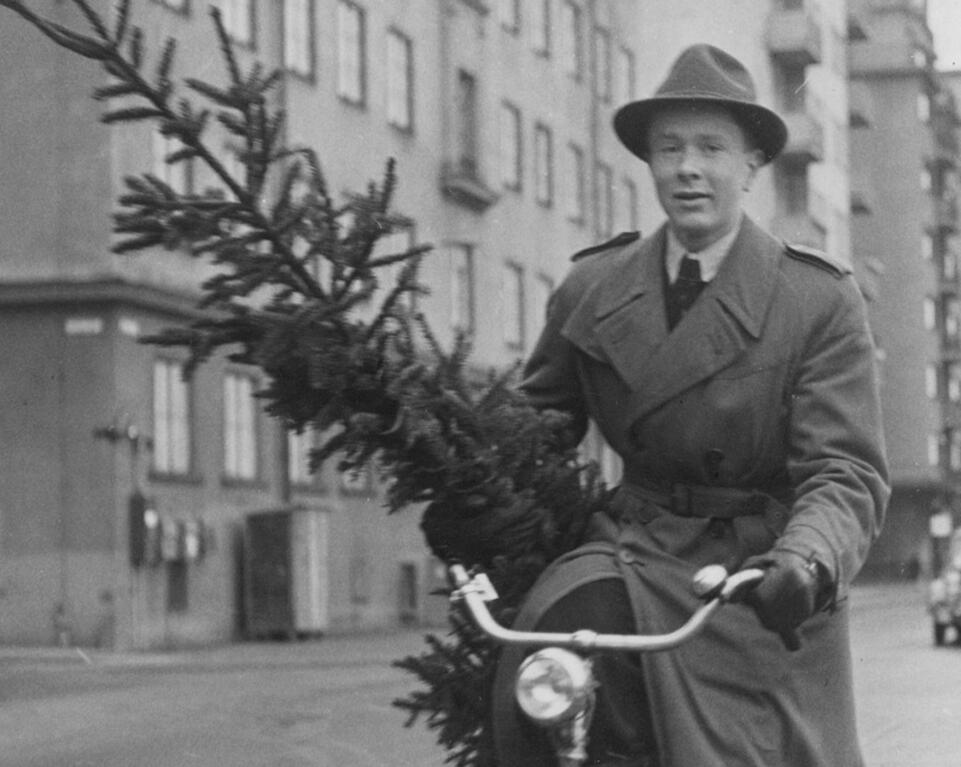
If you have children in Sweden, around this time of the year you won’t be able to escape the sounds of perennial Christmas classic Tomtarnas julnatt, which is also known as Tipp Tapp.Why, you might ask? Well, this is every third line of the verse:Tipp tapp, tipp tapp, tippe, tippe tipp tapp, tipp, tipp, tapp.Other things you won’t be able to avoid with Swedish Christmas are glögg (a type of mulled wine into which you can add raisins and blanched almonds) and pepparkåkor (thin gingerbread biscuits ideal for dipping in your glögg). But I don’t know why you’d want to avoid them, they’re delicious.The traditional look of a Swedish Christmas was sealed in the late 19th and early 20th centuries largely by two artists: Carl Larsson and Jenny Nyström.The majority of paintings by Carl Larsson (1853-1919) are watercolours that focus on family life, including Christmas.
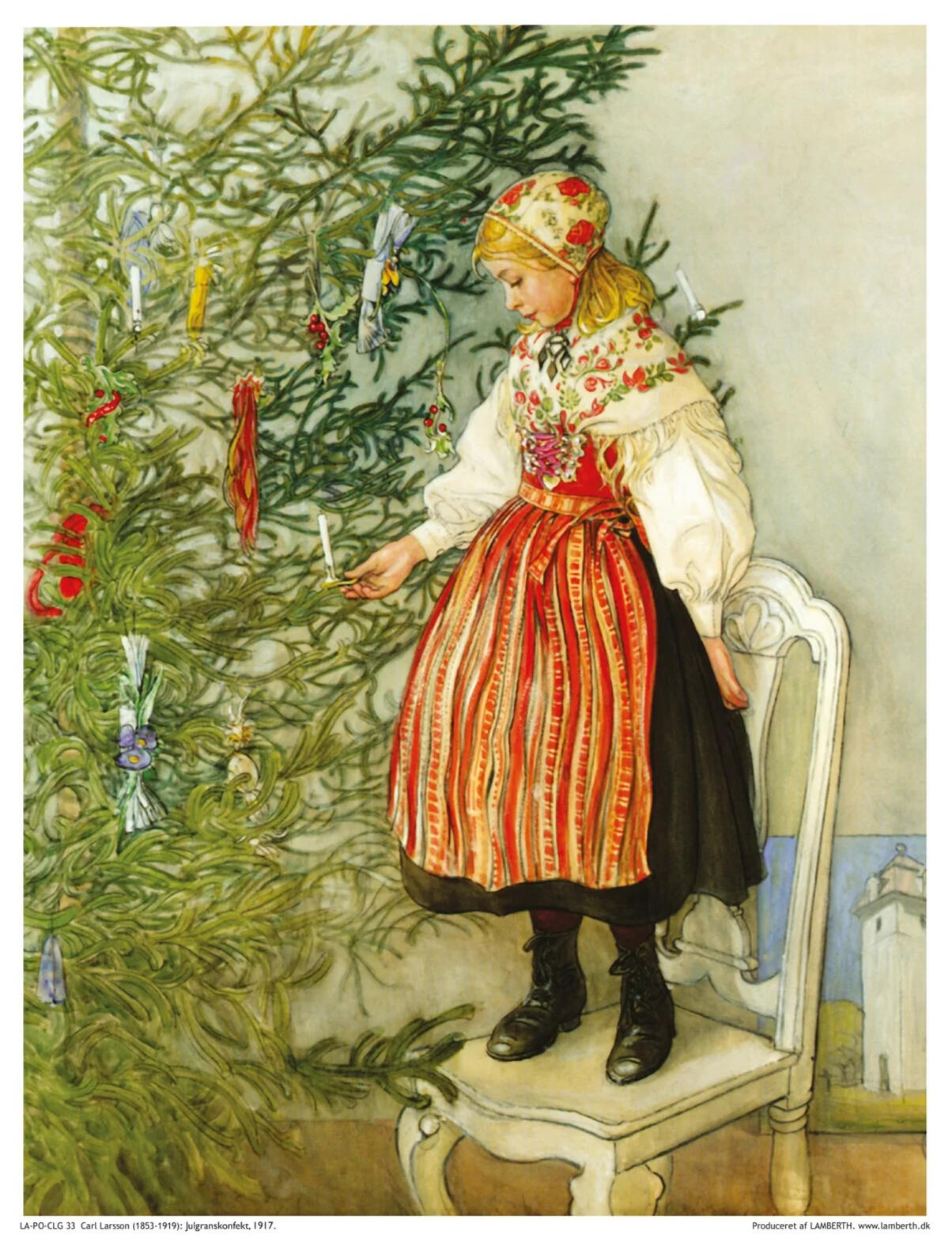
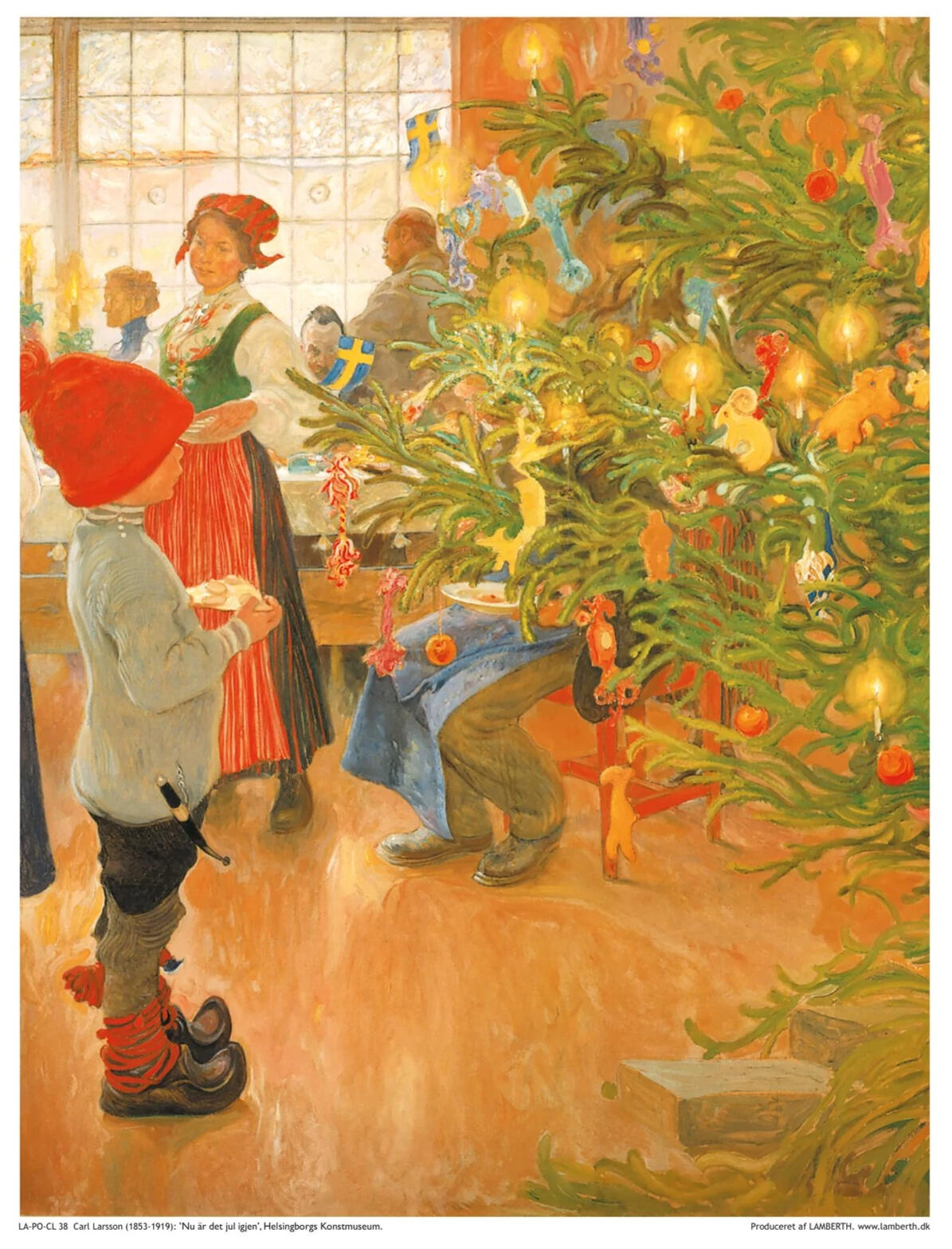
Meanwhile, Jenny Nyström (1854-1946) painted around 600 greetings card illustrations over her long career and is known for having originated drawings of the Swedish-style Santa (tomte).
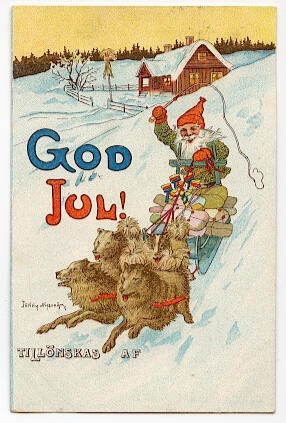
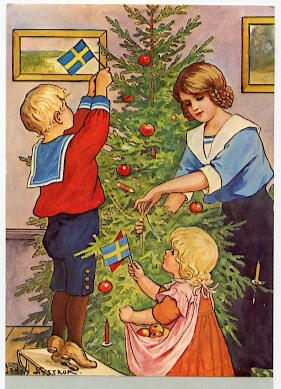
Hanging the Swedish flag on the tree was very popular from the early 1900s, and even today you can buy garlands with small Swedish flags on them to wind around your tree.During the Second World War, popular presents for women were nightwear and lingerie, bedding, powder puffs, and bags for storing handicrafts, while men often received cigarette cases, razors, electric scarf or tie presses, or a pipe rack.Some tips there in case you need some last-minute gift ideas.

– Blog –
When landlines were airborne
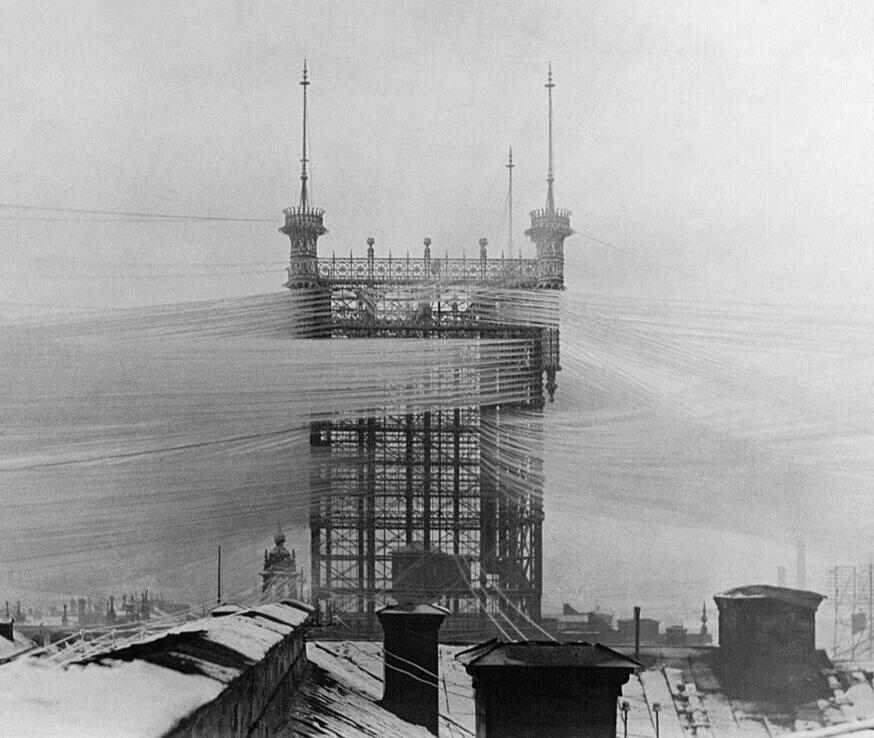
Hands up who used to have an Ericsson brick? I remember having a trusty Ericsson mobile phone back in the late 1990s (before switching to a Nokia in the early 2000s). But would you believe me if I told you that Ericsson was founded in 1876 (the year Bell patented his telephone) and that it started making telephones only two years later, as Bell did not hold the patent for Sweden?Only a decade later, in 1886, Stockholm was the city with the highest number of telephones in the world and the greatest telephone density – more than London, Paris, and Berlin.The only way to handle all this telephone traffic was to build a telecom tower. The 45-metre-tall tower was built in 1887 in the centre of Stockholm and at its peak had around 9,000 telephone wires attached to it (one per telephone).Amazingly, this photograph shows the tower in 1890 when it had “only” about 5,000 cables attached.
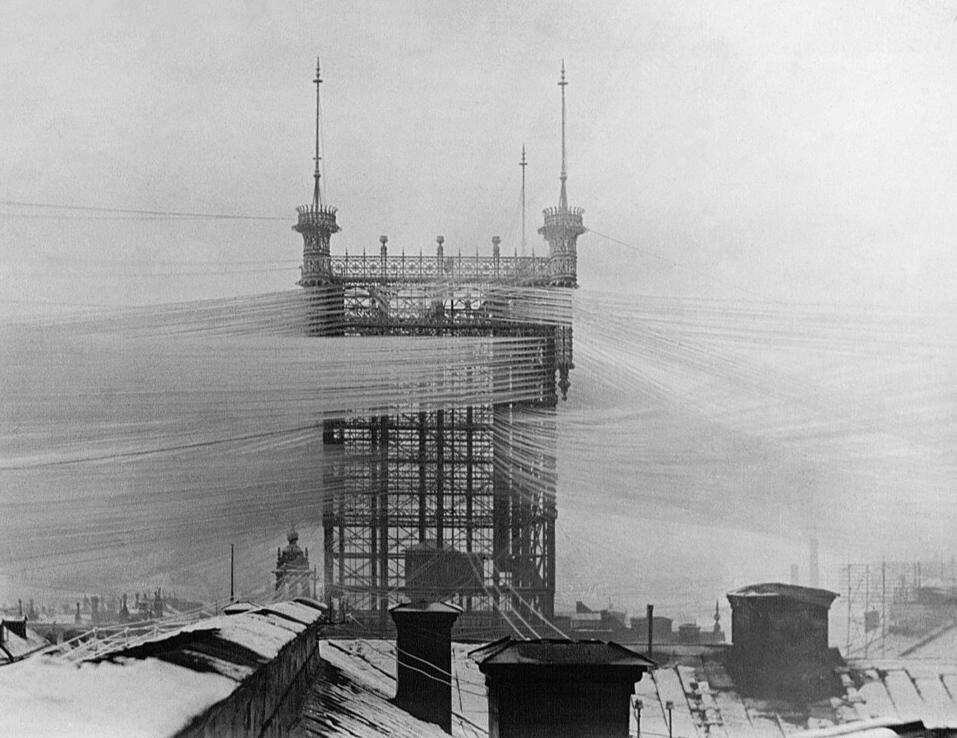
The telephone tower was only used from 1887 for about twenty years, and by 1913, all telephone cables in Stockholm were subterranean.In 1939, a revolving clock advertising the NK department store was mounted on the tower. The same clock now sits on the roof of NK.
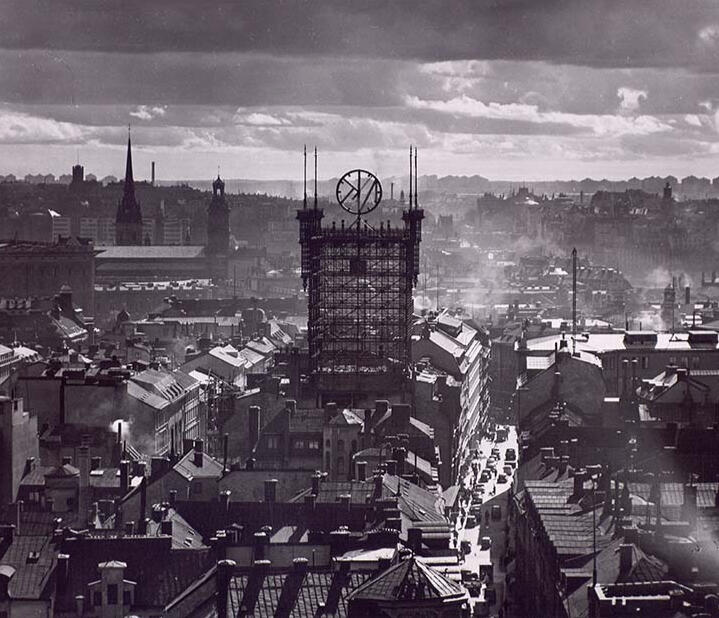
The tower remained a focal point for the city, though, until it was demolished in 1953 following a fire.Meanwhile, Sweden’s first telephone box was set up in 1901 in the central location of Kungsträdgården.Telephone usage spread across the country, and by 1914, there were 42 telephones per 1,000 inhabitants in Sweden, compared with 17 telephones per 1,000 inhabitants in the UK and eight per 1,000 inhabitants in France.In The Third Letter, I have a scene set in 1947 in which Clara receives a fateful telephone call on their newly installed home phone, but now I am wondering if I need Ester in Codename Charlotta already to have a telephone in her Stockholm flat in 1943 – and how this could affect the story…

– Blog –
A research side-quest
On the way back from the UK this summer, we took a slight detour via Copenhagen (thanks to the airlines charging ridiculous prices between Britain and Sweden), and my husband kindly agreed to come with me to the Museum of Danish Resistance. Because he’s good enough to indulge my strange requests in the service of research. (Don’t worry, we didn’t go to Copenhagen just to visit a museum; I’m not that dictatorial.)And I learned so much, including…– Listening to BBC radio broadcasts (with a Danish-language broadcast once a day) was not an illegal activity during the country’s occupation (but making radio broadcasts was).– Microfilms and documents were smuggled out of the country in hollowed-out books, pencils, and even coins.
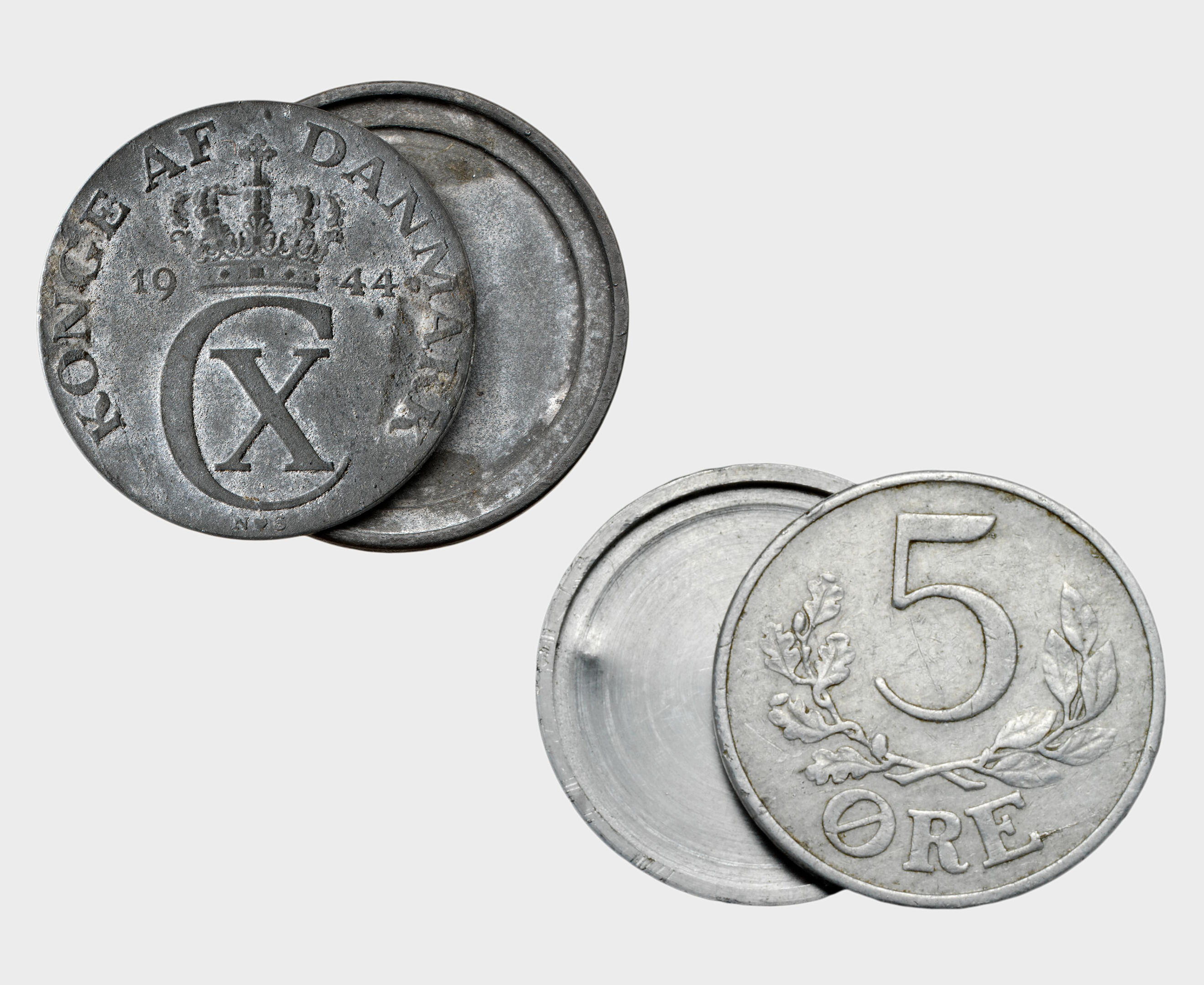
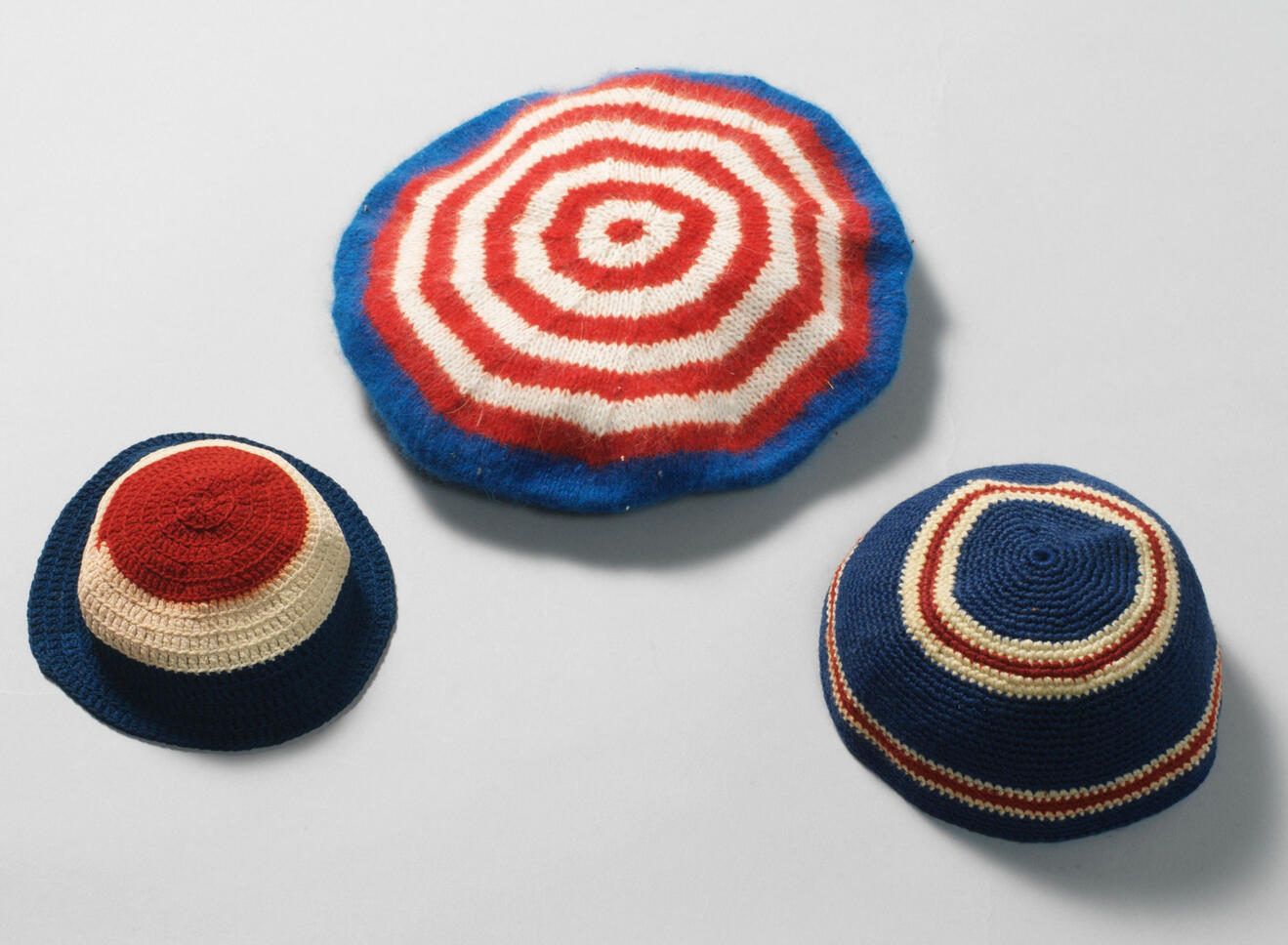
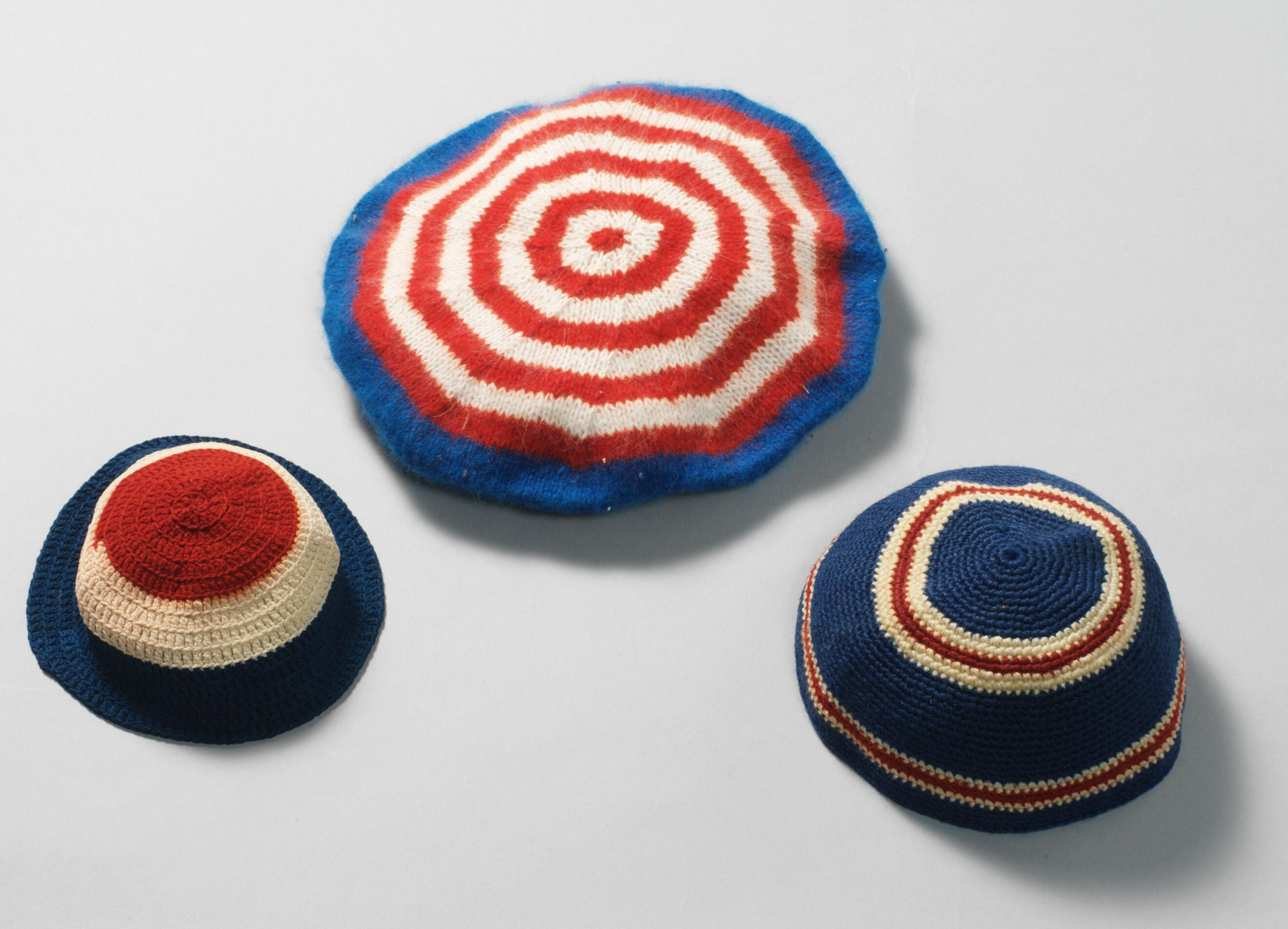
– Providing information on individuals wanted by the Nazis could be rewarded with up to 25,000 Danish kroner (equivalent to around 600,000 Danish kroner in today’s money, or almost £70,000 / $90,000).– Young people wore knitted caps in the colours of the RAF as a form of silent resistance. Although made illegal, the punishment for this was mild.
– A Danish scientist invented a powder that dulled tracker dogs’ sense of smell.– Seven members of the Nazi-backed paramilitary counter-sabotage Petergruppen were executed after the war for their part in the assassination of leading resistance fighters and acts of terrorism.Spending a few hours at the museum has provided me with all the lovely little details that I can weave into my story to help make it feel more realistic. And you won’t be surprised to learn that I took nearly one hundred photos as we went round.

– Blog –
The joy of libraries
Did you know that even if you only borrow a book from a library, rather than buying a copy of it, the author still receives royalties?An author will earn a little money each time their book is borrowed from a public library in the UK, thanks to the Public Lending Right. This was established in 1979, following lobbying by the Society of Authors and others.Although the amount received per book loan is small, the total amount an author can receive each year could be as much as £6,600 (as of 2021/22)In the US, the system is slightly different, with an author receiving royalties only on the library’s initial purchase of the book. Likewise, with digital copies of a book, an author will receive royalties on the licence itself (rather than each time the ebook is borrowed).

Here in Sweden, the system is similar to the UK, with royalties paid out annually based on the number of times a book has been borrowed. The maximum amount that an author can earn for 2025 is 302,000 Skr, which is around £23,000.In addition, these library royalties in Sweden can be paid out to an author’s heirs for as long as the copyright on the book extends (in other words, seventy years).And this is (one of the many reasons) why I love libraries so much.

– Blog –
If music be the food of love...
Well, in my case, music is the food of creation. Ever since I started working on The Third Letter back in autumn 2020, I’ve listened to certain songs, particular musical genres, and certain artists to inspire me.1980s synth/electronica, 1990s indie, and 2000s garage rock have been my go-to listens, and over the past few years, I’ve curated a massive playlist that I (probably somewhat ironically) titled “Kat’s work motivation list”. It’s now seventeen hours long and is packed with songs that I adore and am word-perfect on. That way I don’t get distracted and pause to consider the lyrics.
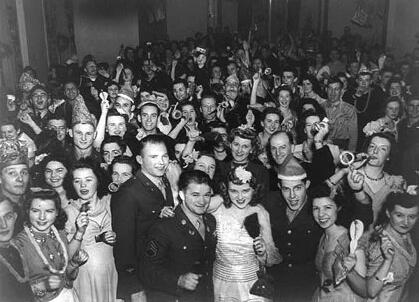
Because that is a very real possibility when I listen to a new song. I need to sit and ponder on the story behind the song.And that is why all my stories have their own playlist.The Third Letter – a blend of 1980s synth classics, 1940s swing, and love songs from the past few decadesBeneath the Widening Sky – Early 1960s R&B/soul, modern versions of 1930s and 1940s hits, and swing adaptations of recent songsCodename Charlotta – A lot of nods to Taylor Swift, Chappell Roan, and Florence + The Machine, alongside some 1980s and 1990s tracks that I loveIf you’d like to hear these playlists, please do sign up for my newsletter, where I share editing tips, reading lists, and news of my writing progress, and I’ll send you links to these playlists.

– Blog –
Furry, four-legged friends
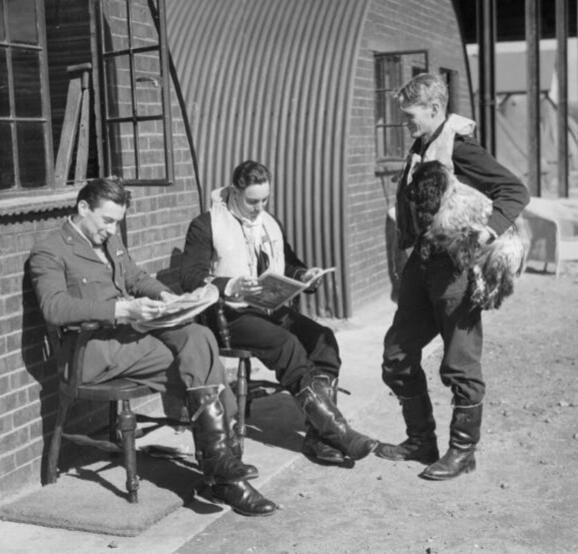
A tale about posting on Instagram and why the one post you think will appeal can be the one that comes back to bite you on the arse.In the spring, I heard a suggestion from someone who had read the opening scene of my current novel (Beneath The Widening Sky) that it might be fun to add a dog.Okay, I thought, I like dogs. I grew up with a dog. I could add a dog. I don’t usually get along with books that have dogs in them (mainly because I am scared that the dog will die, as is usually the case), but I could still have a dog in mine because then I could ensure it survived.So, decided, there would be a dog. But whose dog should it be? Well, it couldn’t belong to Vee, the main character (for <reasons>), but what if she ended up having to take care of this dog? Right, that sounds good. So the dog belongs to someone else initially, but who?As the first scene opens with Vee anxiously waiting at the air station where she works for the return of two Halifax bombers, perhaps the dog could belong to a crew member. Great, that’s sorted.But then came to big question: what type of dog should it be?A little research (ahem, you don’t want to know how many sites I investigated about dogs in the 1940s…) told me that among the most popular breeds of dogs at the time were cocker spaniels, German shepherds, and wire fox terriers.So I did what any good writer who uses social media does and posted on Instagram, asking people which they thought Lucy the dog should be.I even included pictures of airmen with their dogs.
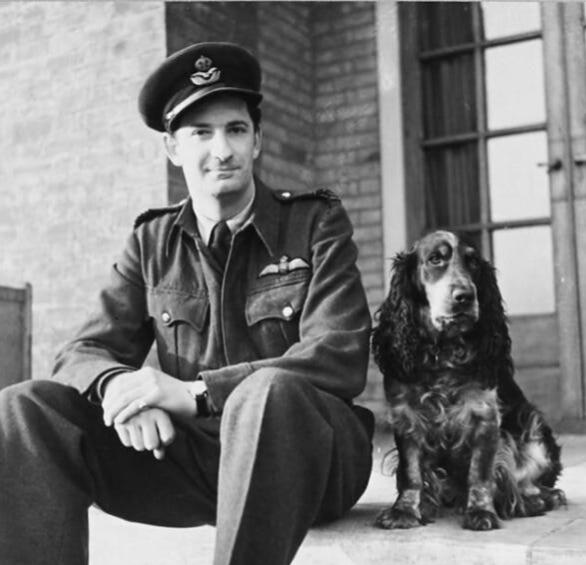
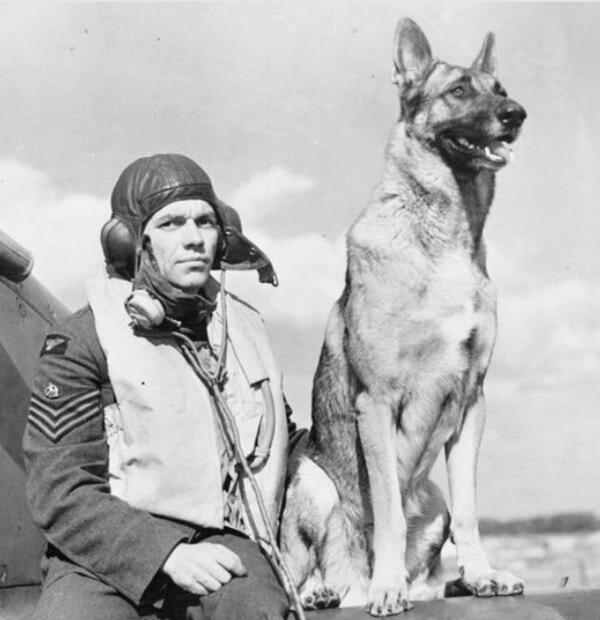
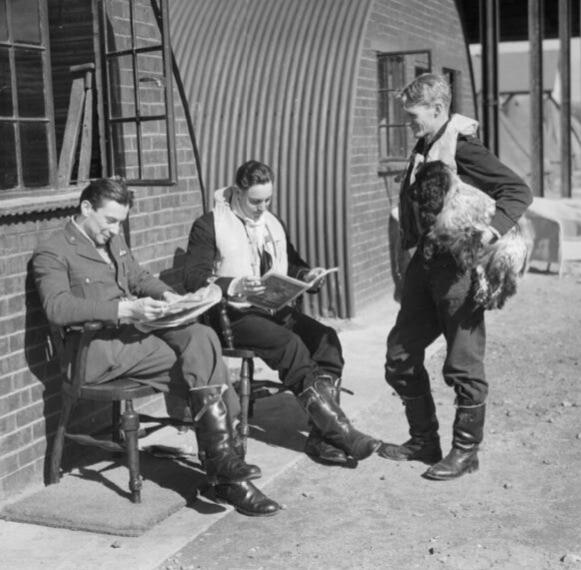
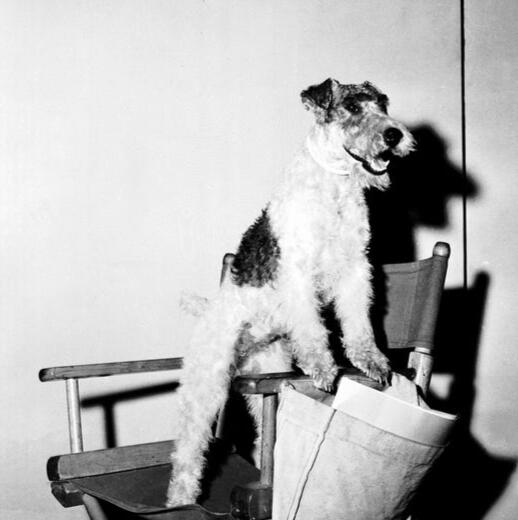
And people chose for Lucy to be a wire fox terrier. So I duly added Lucy the dog to the scene (and to the following scene, where she’s trailing around after Vee).And then the DMs started on Instagram.Oh, but my dog was so cute and would I be interested in some pet chews for them? But didn’t I just have the loveliest dog and would I like a special lead for talking them on walks? And my, wasn’t that dog the sweetest, but I wouldn’t say no to some doggie treats, would I?And would you believe I was still getting these DMs eight months later. Offering treats for dogs who are long gone to canine heaven. Who I never owned in the first place. Who are clearly not my pet.And so, this is why you shouldn’t use the hashtag #dogsofinstagram.

– Blog –
A research goldmine
In the opening chapters of The Third Letter, we meet not only Clara, the heroine of the story, but also William and Ifan, two soldiers in the same Canadian infantry regiment, who play key roles in the novel (no spoilers here).As the story covers late 1943 to 1948, I knew that both of them would be heading to battle for a large proportion of the novel, and as you can guess from the title, there are letters involved.This meant I needed to know where they were at each point in the story, and I decided the easiest way to do that would be to research an actual Canadian regiment that was stationed in the right part of Sussex prior to D-Day.Me being me, I thought that would make it all simpler because I’d be able to use the regimental diaries to follow their progress through continental Europe.But what happened when I started reading these “war diaries” was something unexpected. Although I’ve always been more interested in the home front aspect of the Second World War, I found myself caught up reading them. And that’s because they proved to be far more than simple reports on what had happened in certain battles and attacks; they also offered insight into daily life in the regiment.It was these little nuggets that I found so fascinating. Little things like a notice that in early July 1944, shortly after arriving in France and before they saw action, they were defeated 8-1 in a football match against another battalion.At the end of August that year, they were in Rouen, where “extra cigarettes were issued and were speedily gotten rid of as the population hailed us with one hand while reaching for cigarettes with the other.”By October, they seemed to be more used to vagaries of war, with the diary noting, “We had become quite accustomed to the Germans DF mortar tasks in the area and knew fairly well when to duck.”
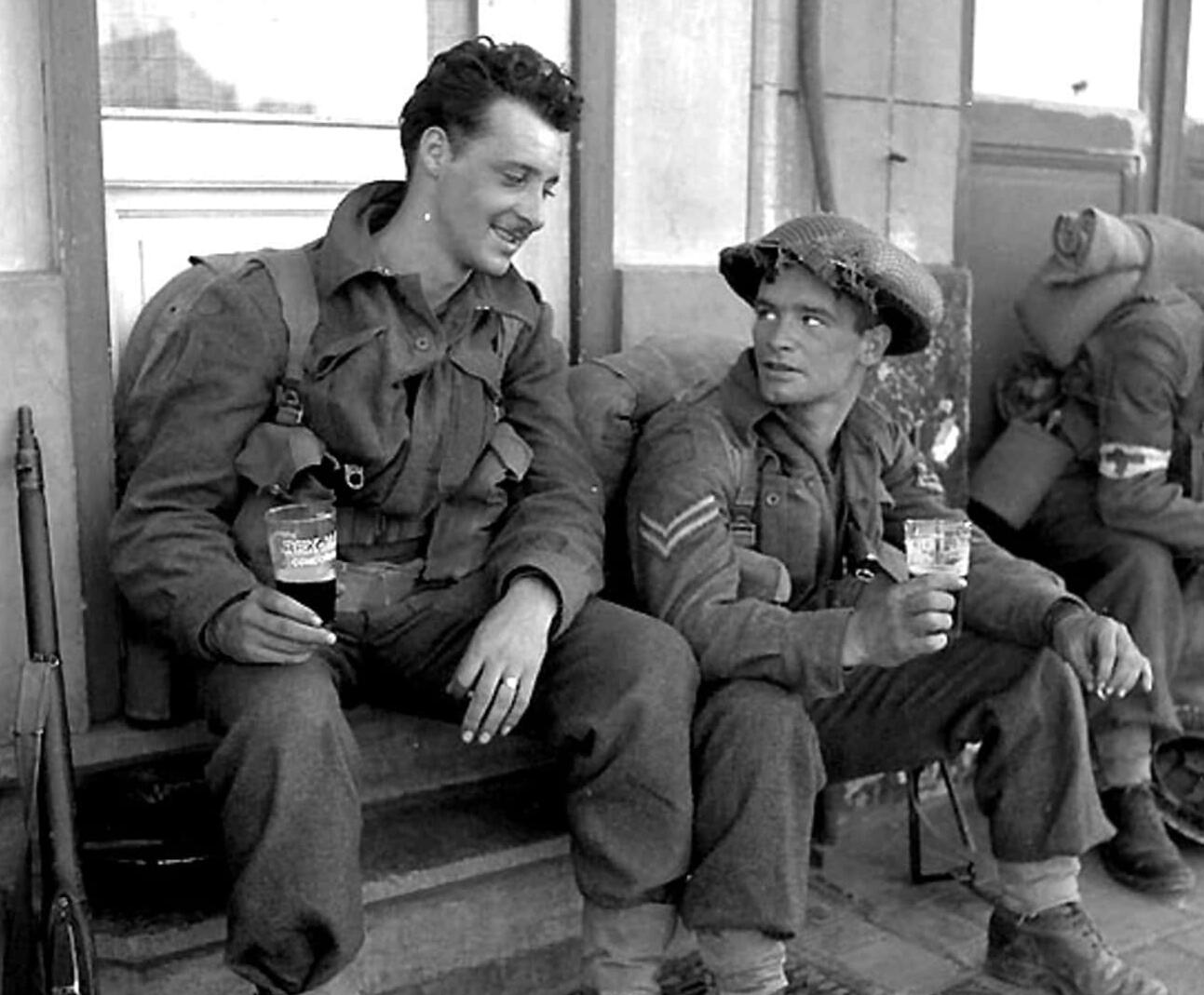
The notices to the soldiers are also a goldmine, showing that discipline and order were expected to be maintained at all times – even (or perhaps especially) in the midst of war:– “Personnel are turning up at bath parades without towels and expecting clean towels to be issued to them. This cannot be continued…” How dare they expect towels to be provided. Don’t they know there’s a war on?– “Picture post-cards of places in areas under the control of the Supreme Commander may now be sent provided that the place shown is at least 25 miles from the writer’s official location.” This was part of a much larger paragraph detailing all the scenarios in which a soldier may or may not send a postcard. I would imagine most gave up and simply sent a letter instead – far easier.– “All ranks will be advised that under NO circumstances will they give, sell or otherwise dispose of cigarettes or tobacco in any form to ENEMY PWs [prisoners of war].” I like the implication here that some were making a little on the side by selling their cigarettes to prisoners. (This one also sparked my interest as I happen to have a couple of incidences in The Third Letter of people trying to make a little money on the side.)My favourites, though, are the lost and found notices, including:– “A key ring holding twelve keys and a brown leather tab has been found”– “Red fountain pen”– and best of all, “soldier’s belongings, which a Civ Policeman reported had fallen off a MC [motorcycle]” – this went on to list an entire kit that a soldier had dropped.Each of these tells me a little story, but also leaves me with so many questions. Why twelve keys? A few keys already seem quite many to take to the front with you, but twelve? Unless they are keys to lock up weapons, perhaps?I imagine the man who suddenly realises at the most inopportune moment that he’s misplaced his red fountain pen. He feels around in his pockets, but no, it’s not there. Where could it be? There will be hell to pay if his mother finds out he’s lost the expensive present she sent for his last birthday.And an entire kit, fallen off the back of a motorbike… well, that one has sent my mind spinning through so many possibilities.What I have found the most fascinating is that each of these lost and found items shows that wherever we go and whatever we do, there is still some part of us that clings to our everyday life, and that whatever happens, a small piece of humanity remains. Even in war.

– Blog –
Gin & It
Early on in The Third Letter, Clara and her best friend Reenie enjoy Gin & Its at a dance.“She took another gulp of the Gin & It, the vermouth’s sweetness catching in her throat. She glanced at Bobbie, but he was focused on Reenie once more.The silence dragged on. Clara raised her glass to her lips once more. Another sip. She needed to slow down; the drink was slipping down too easily. She’d be half cut in next to no time if she carried on like this.”The Gin & It was a popular tipple in Britain in the 1930s and 1940s, although back then it wasn’t so much a cocktail as an easy drink a pub landlord could make for female punters.
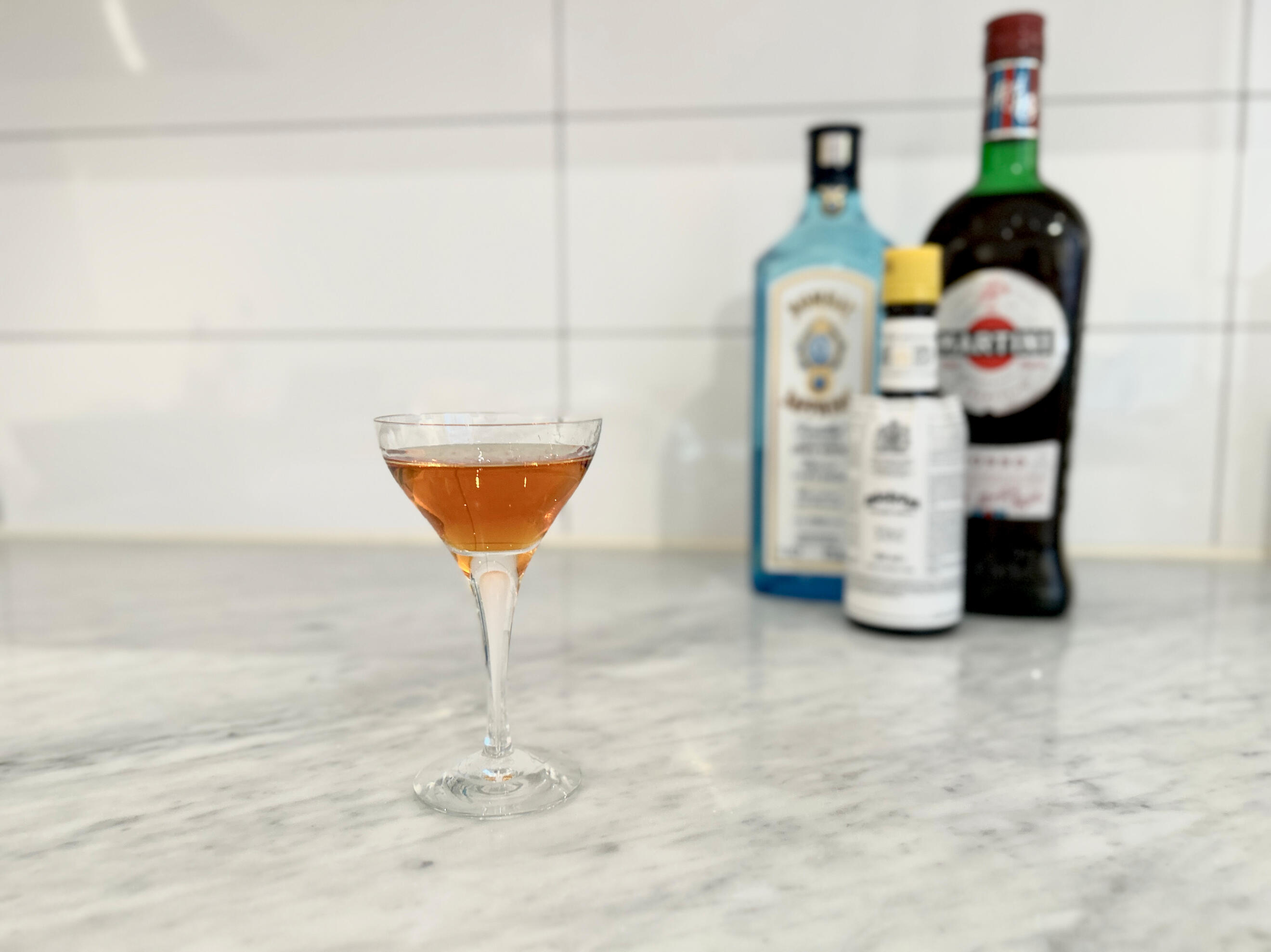
Its name stems from its two main ingredients: gin and Italian sweet vermouth (the “It” in the name).There is little more to this bittersweet cocktail than those two, unless you want to add a dash of bitters and a garnish.The recipe is simplicity itself.
- 35ml London Dry Gin- 25ml Rosso sweet vermouth
- A dash of Angostura Bitters (optional)- Maraschino cherries or orange zest as a garnish (optional)Pour the vermouth into a cocktail glass. Add the gin. Splash in a drop or two of Angostura Bitters if you’d like. Garnish with maraschino cherries or orange zest. And that’s it!

– Blog –
Photo inspiration
I am very lucky to be writing in a time period when photography was popular with the everyday person.Go back only a few decades from the 1940s and photographs were a luxury that you reserved for important occasions like engagements or weddings. But thanks to the cheaper Box Brownie cameras (first launched in 1900), people were able to document all aspects of their lives.
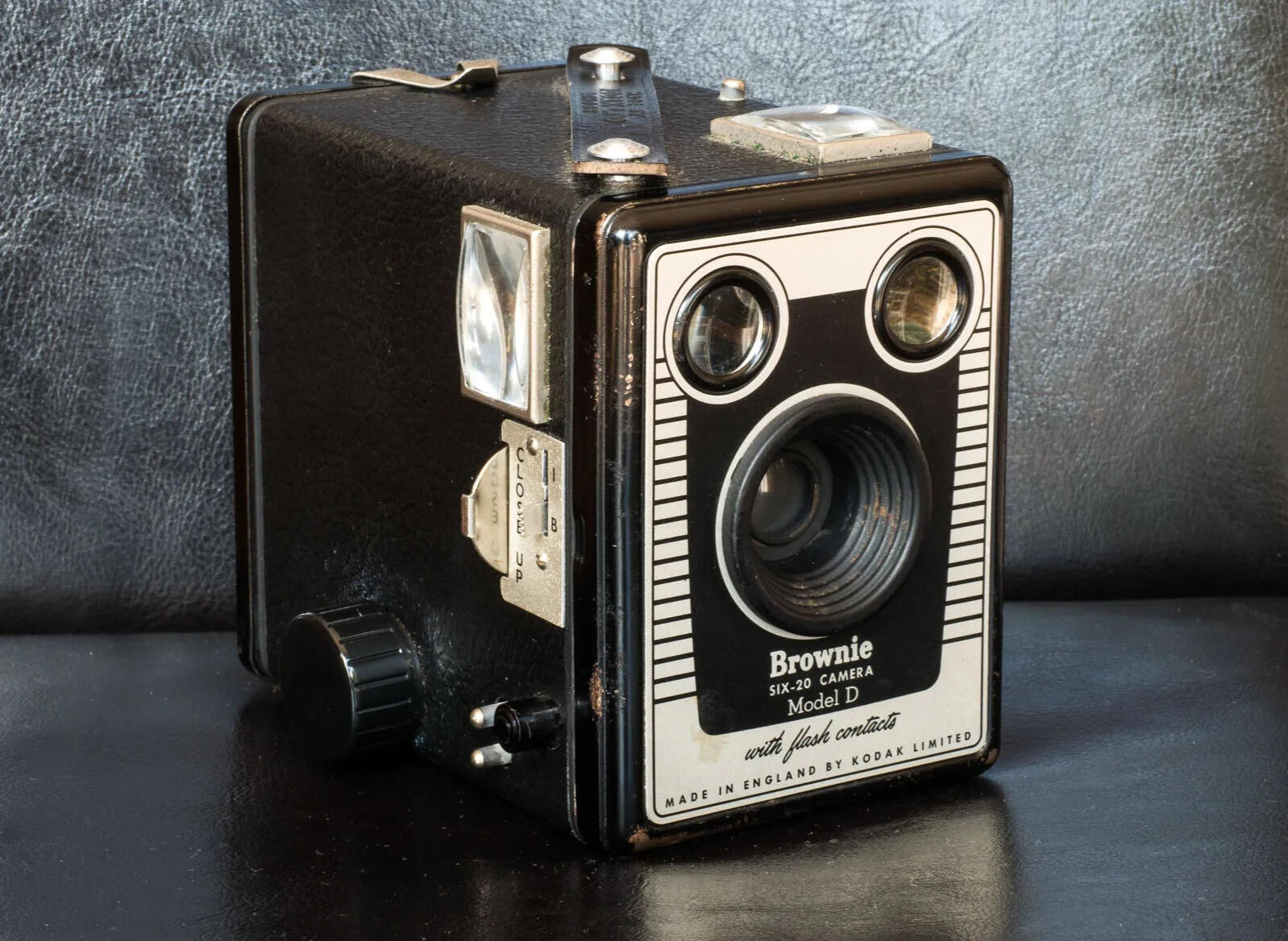
And thanks to the internet, so many of those images are still available to us today.Pinterest has been a boon while researching this novel, and while throughout my research, I’ve been saving images of the time I found online. Zooming in on a photograph can reveal so much in so little time – all the intimate little details of everyday life.
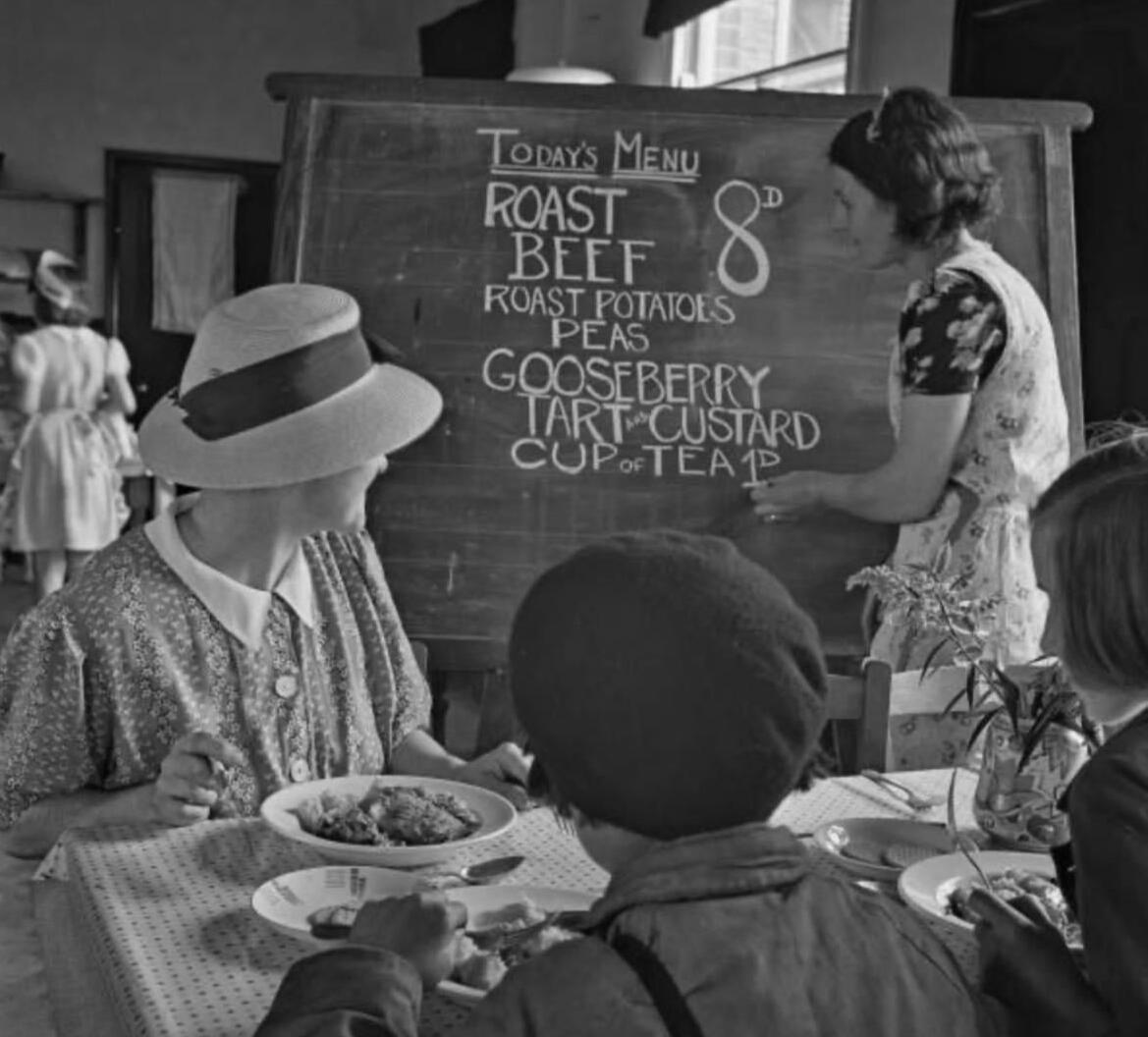
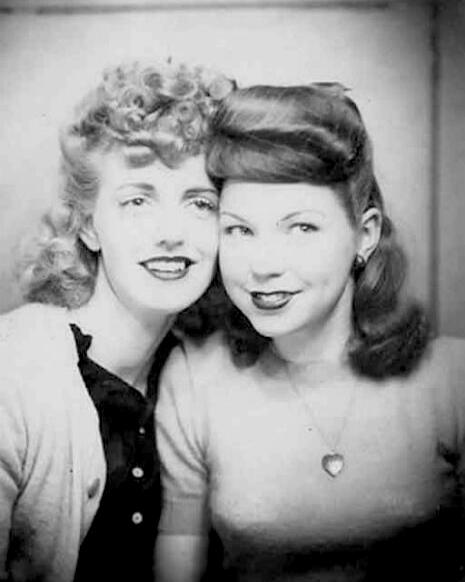
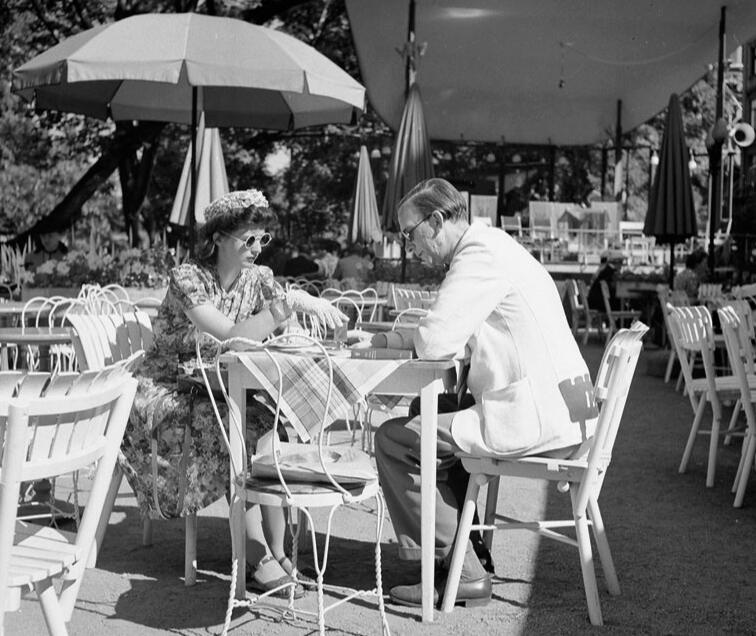
But beyond simply offering me a snapshot into daily life in the 1940s, photographs have also inspired a couple of scenes in the novel.
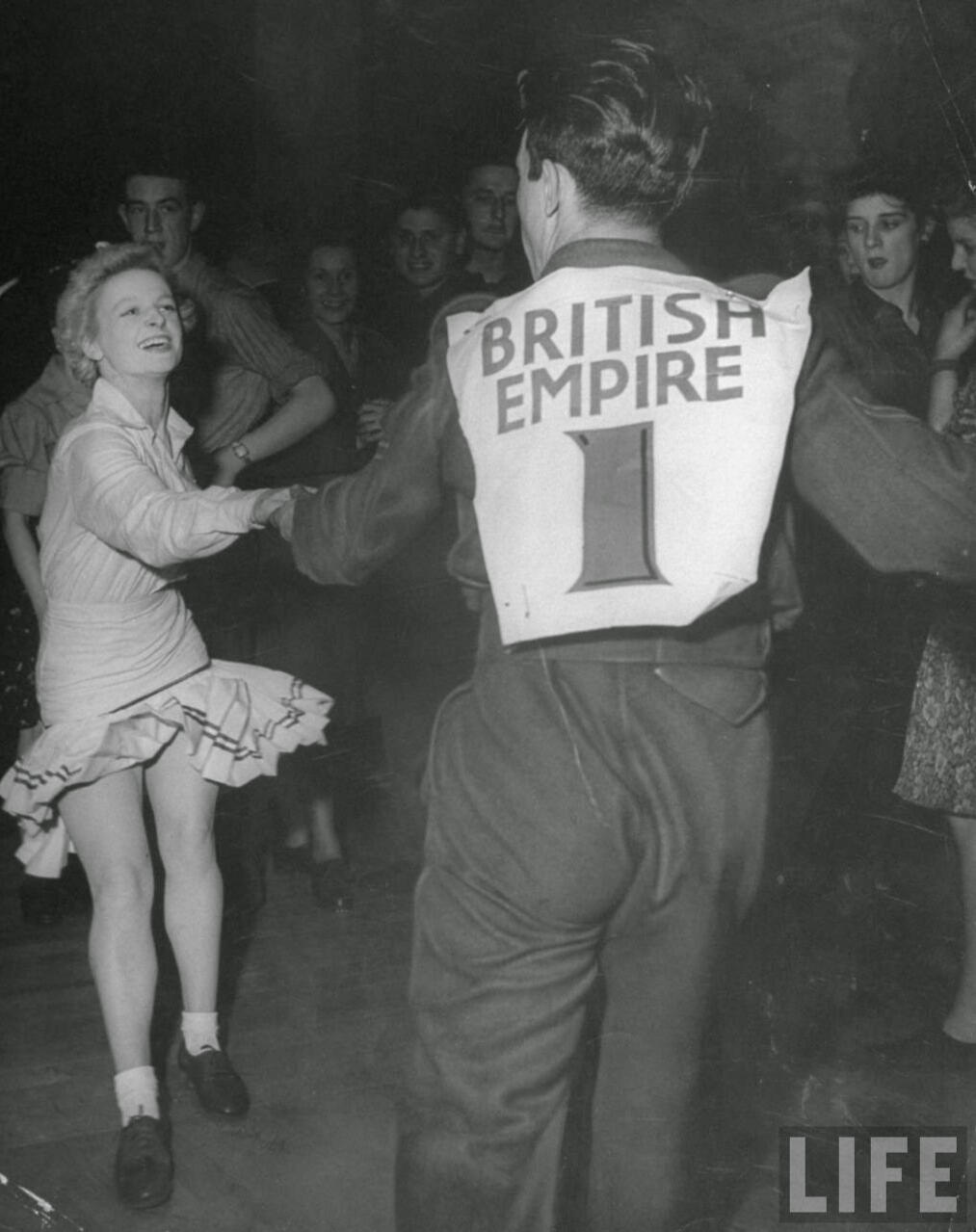
You can see more of the photographs and images that helped and inspired me over at Pinterest, where I have created a dedicated board for the novel.